Residential Applications
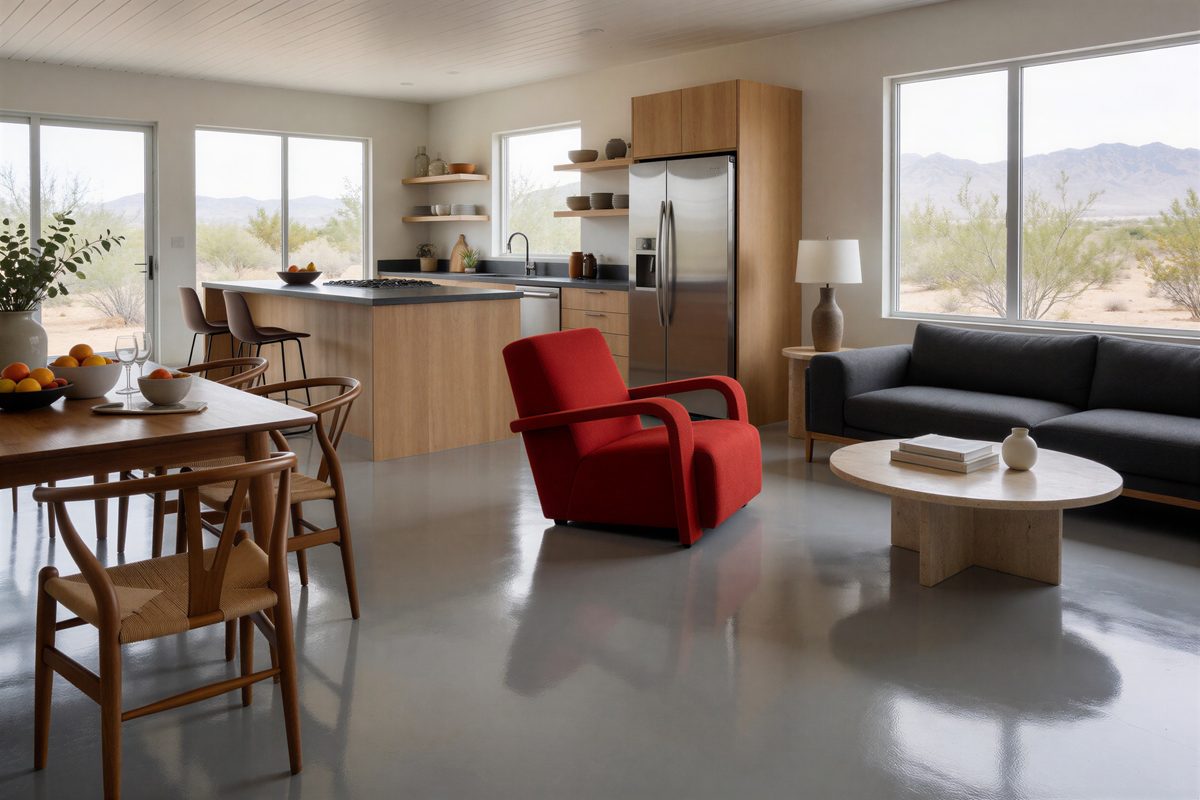
Residential applications most often include garages, workshops, hobby rooms, and certain basement or utility floors with suitable concrete and environmental conditions. For occupied interior rooms, consider odor and ventilation during installation, the feel of the surface, acoustics, temperature, and whether a resin floor fits the home's design. Epoxy is not automatically the right answer for every living area; wood, tile, polished concrete, or other finishes may be more suitable depending on the substrate and room.
Commercial Applications
Although this page focuses on homes, some residential property owners operate home-based businesses or maintain shared residential facilities. Those uses may require additional attention to traffic, cleaning routines, accessibility, and slip resistance. If the space will see frequent customers, rolling equipment, or commercial chemicals, discuss whether a commercial-grade resin system is warranted.
Common Applications
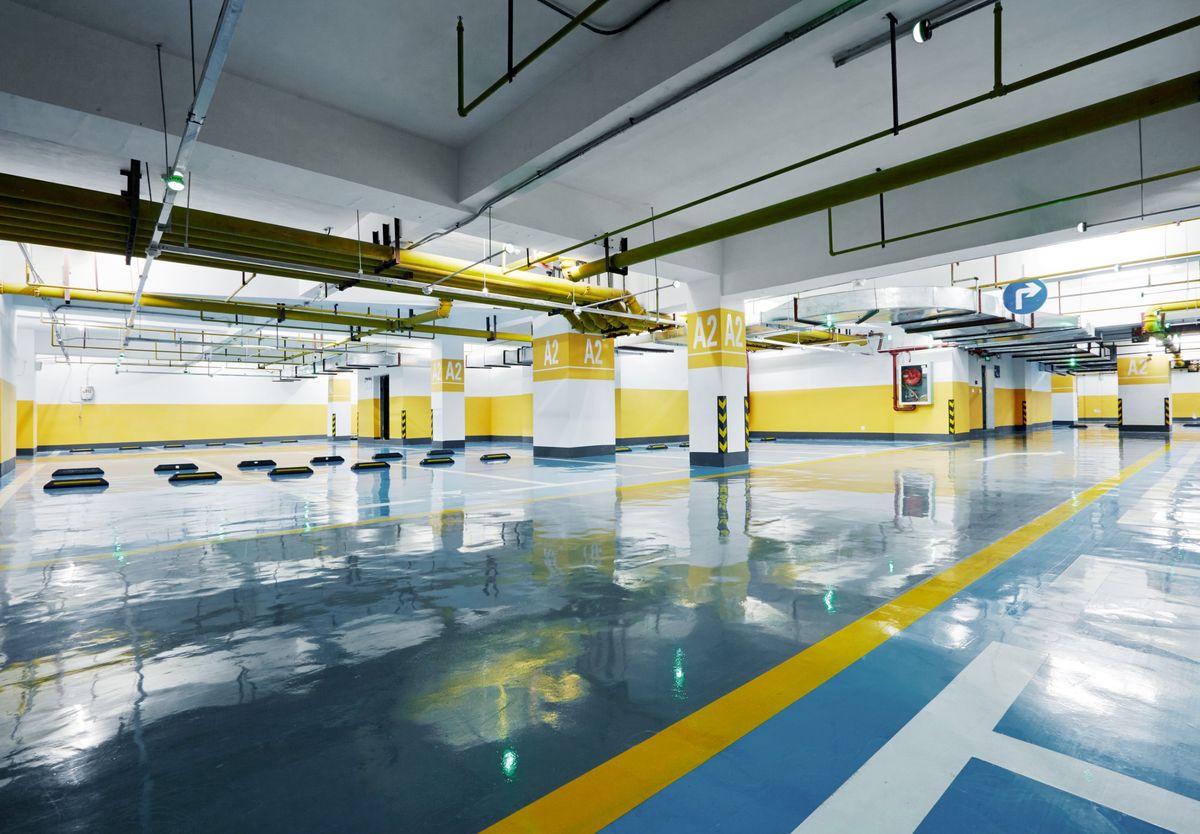
Common projects include garage floors, hobby workshops, laundry or utility spaces with appropriate concrete, storage rooms, and selected indoor slabs. Epoxy may also be used as the decorative base for metallic or flake finishes. Exterior slabs exposed to direct sun and weather require special consideration; a UV-stable system designed for outdoor use may be a better choice than a standard interior epoxy.
Materials, Finishes, and System Options
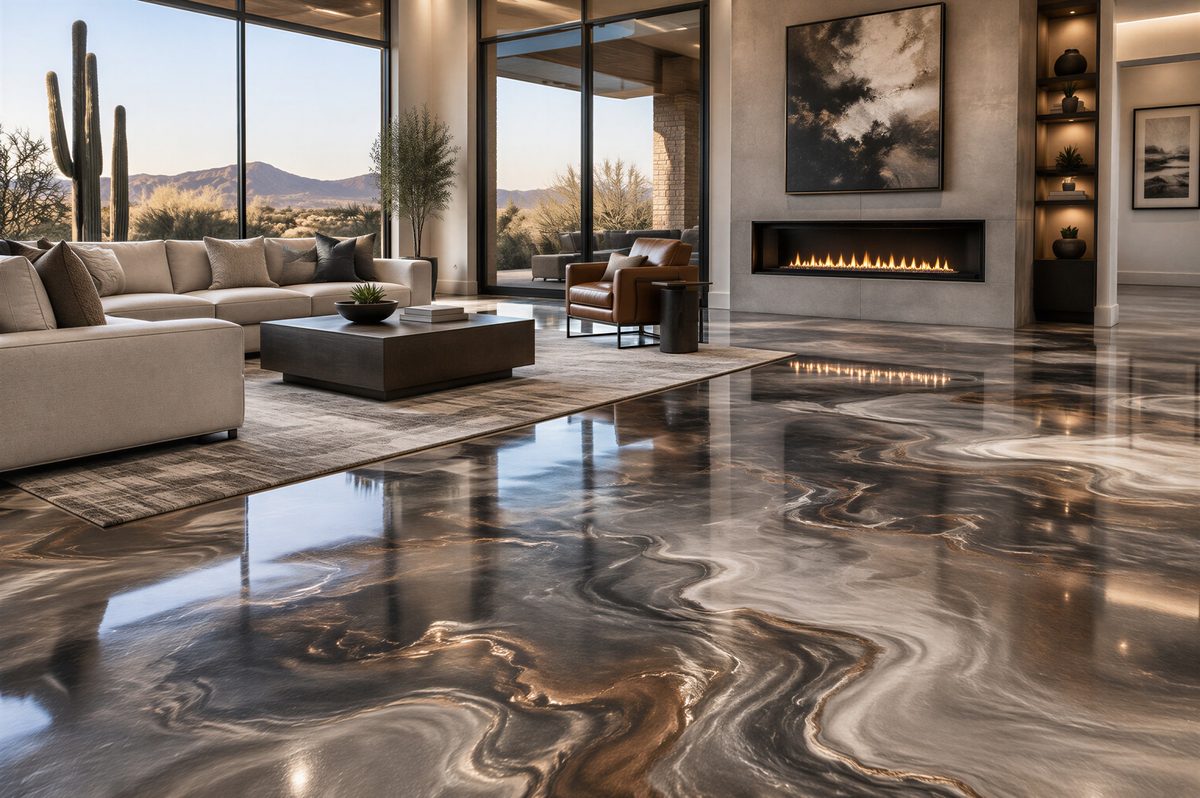
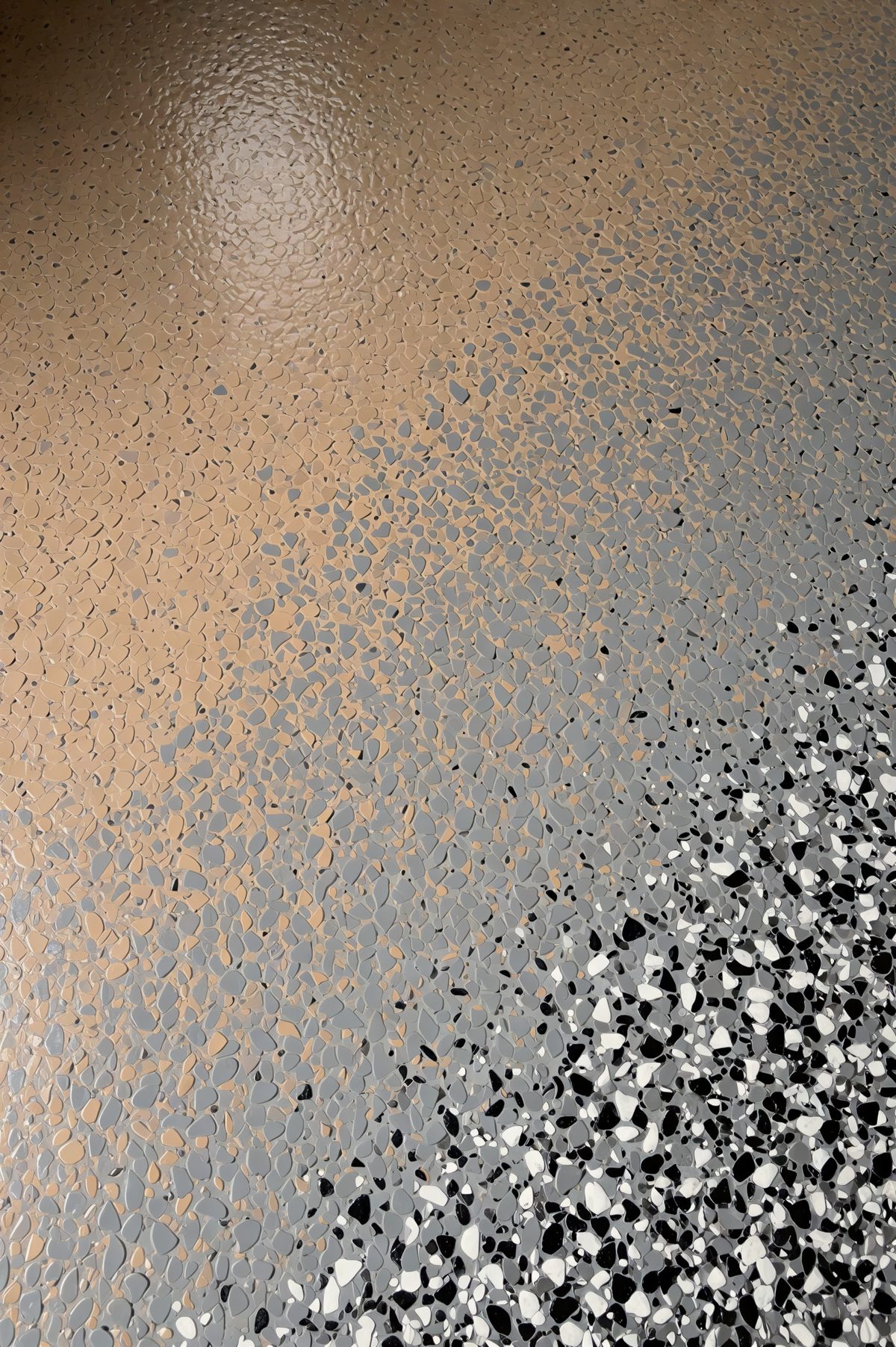
Finish choices include pigmented epoxy, decorative flake systems, quartz-filled systems, and compatible clear topcoats. A clear aliphatic polyurethane or polyaspartic topcoat may improve UV stability and wear characteristics, depending on the specified product. Texture can be adjusted with suitable aggregates, but increased texture may hold more dirt. Ask for actual color samples if appearance matters; small sample chips and a full installed floor can look different under changing light.

Our Typical Installation Process
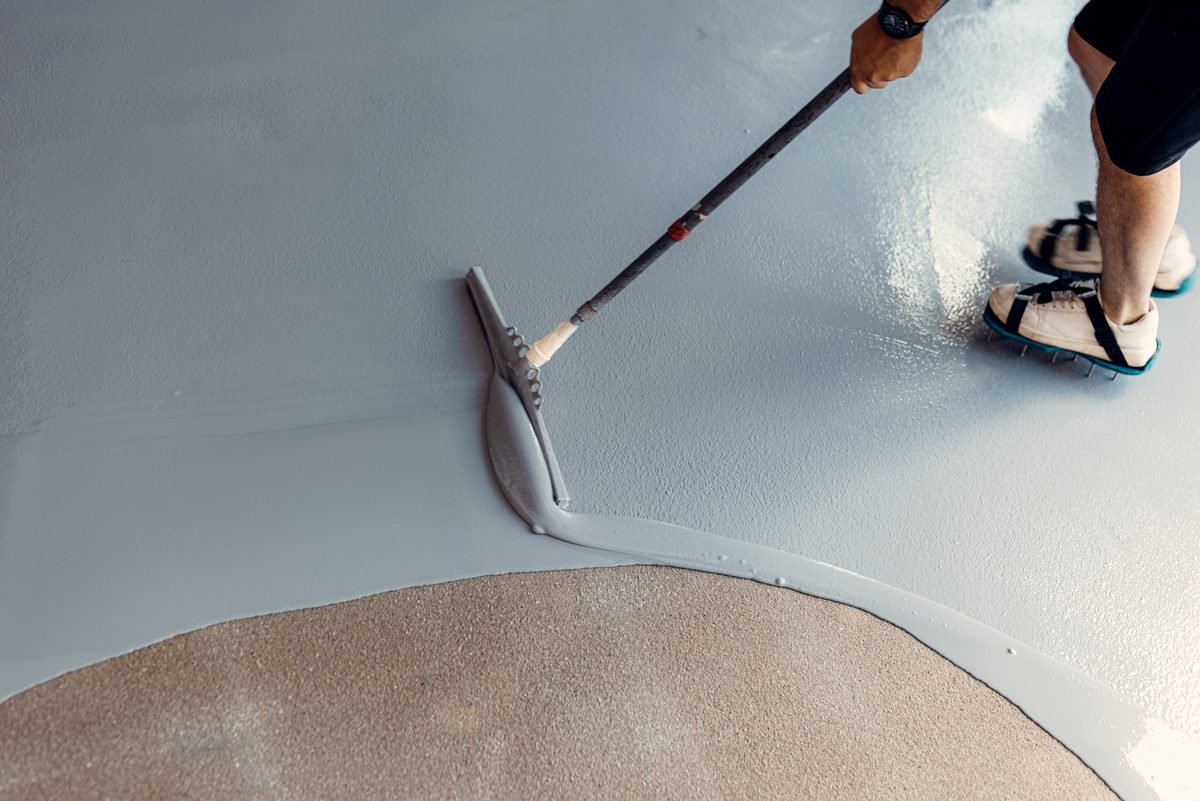
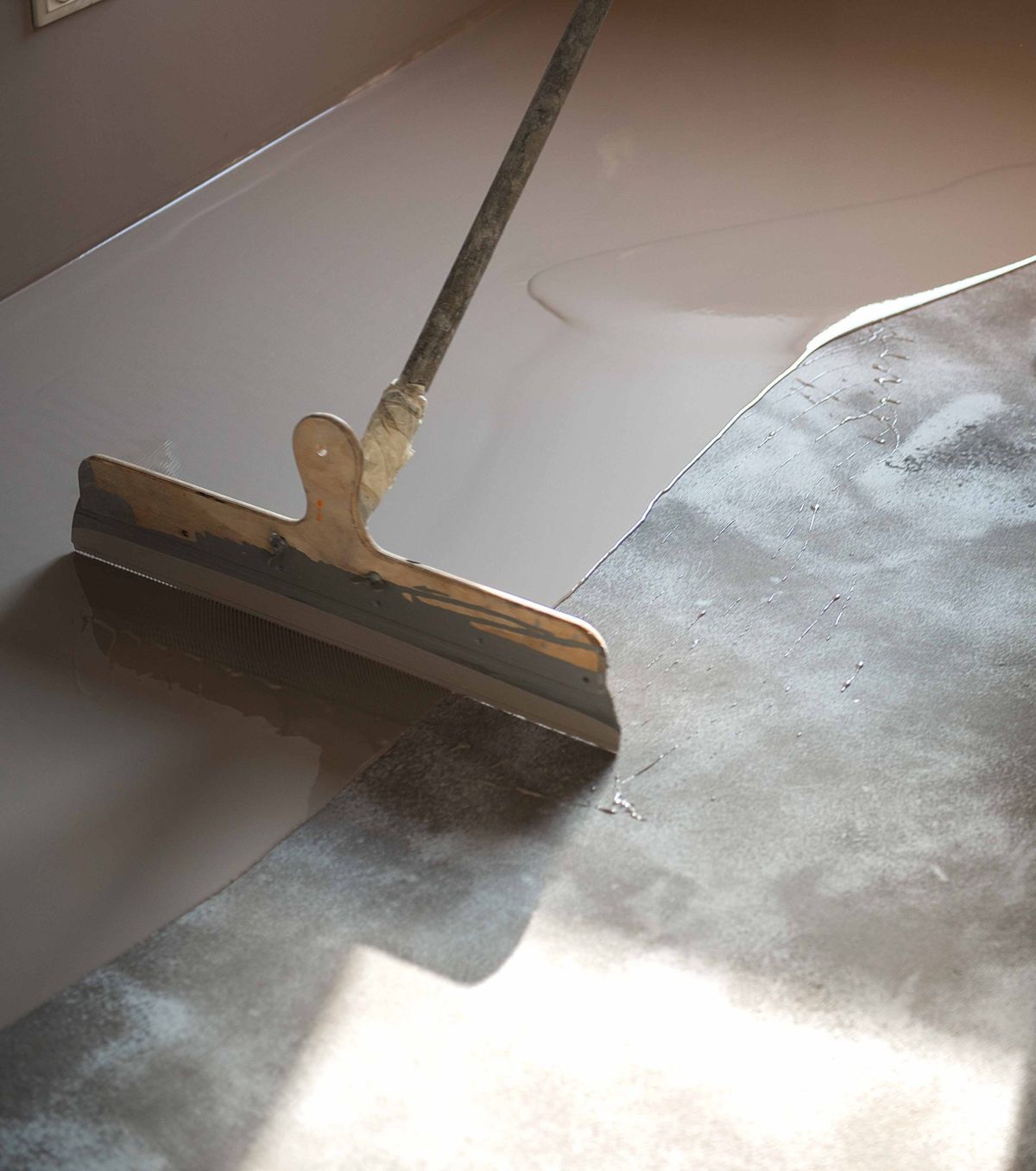
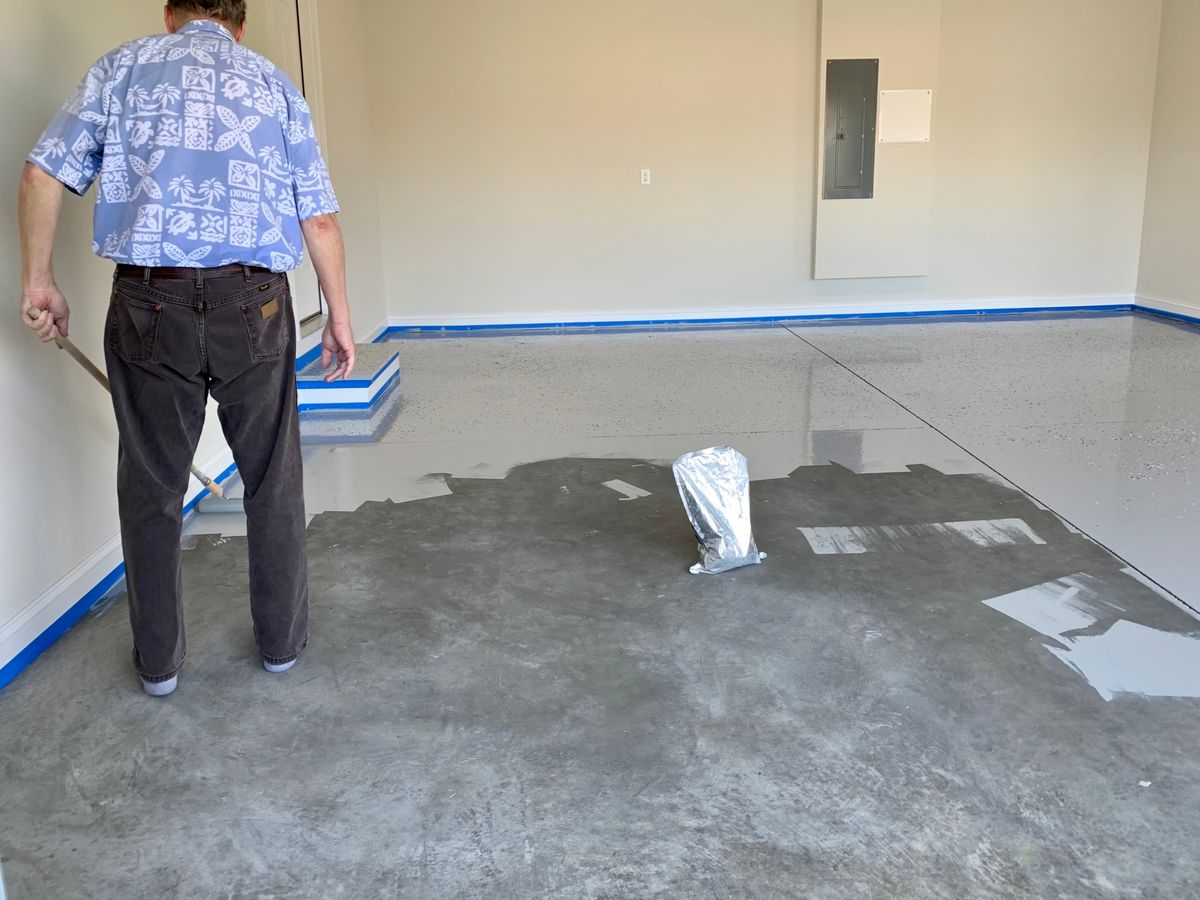
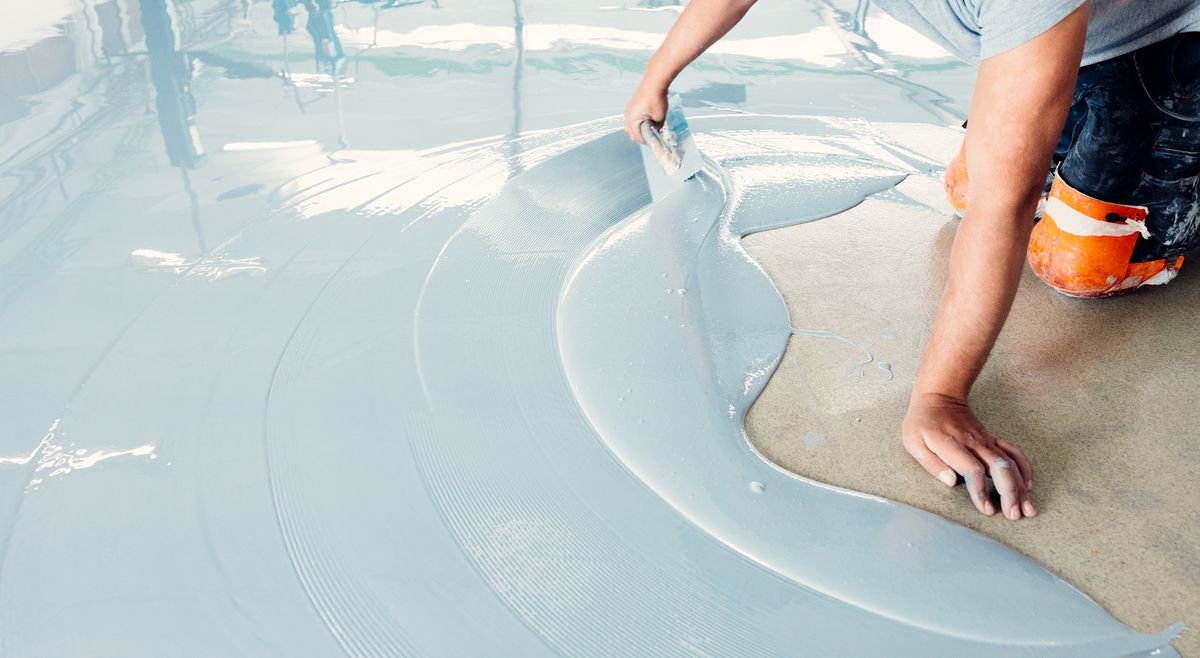
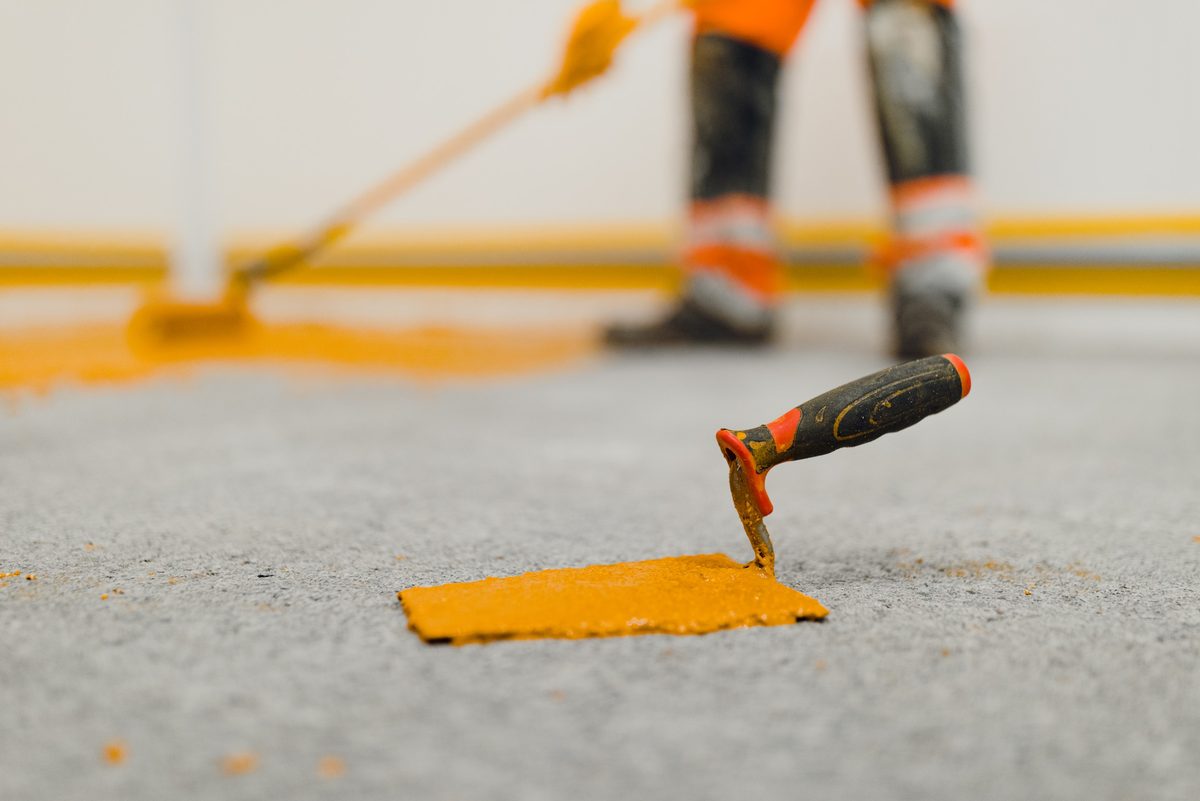
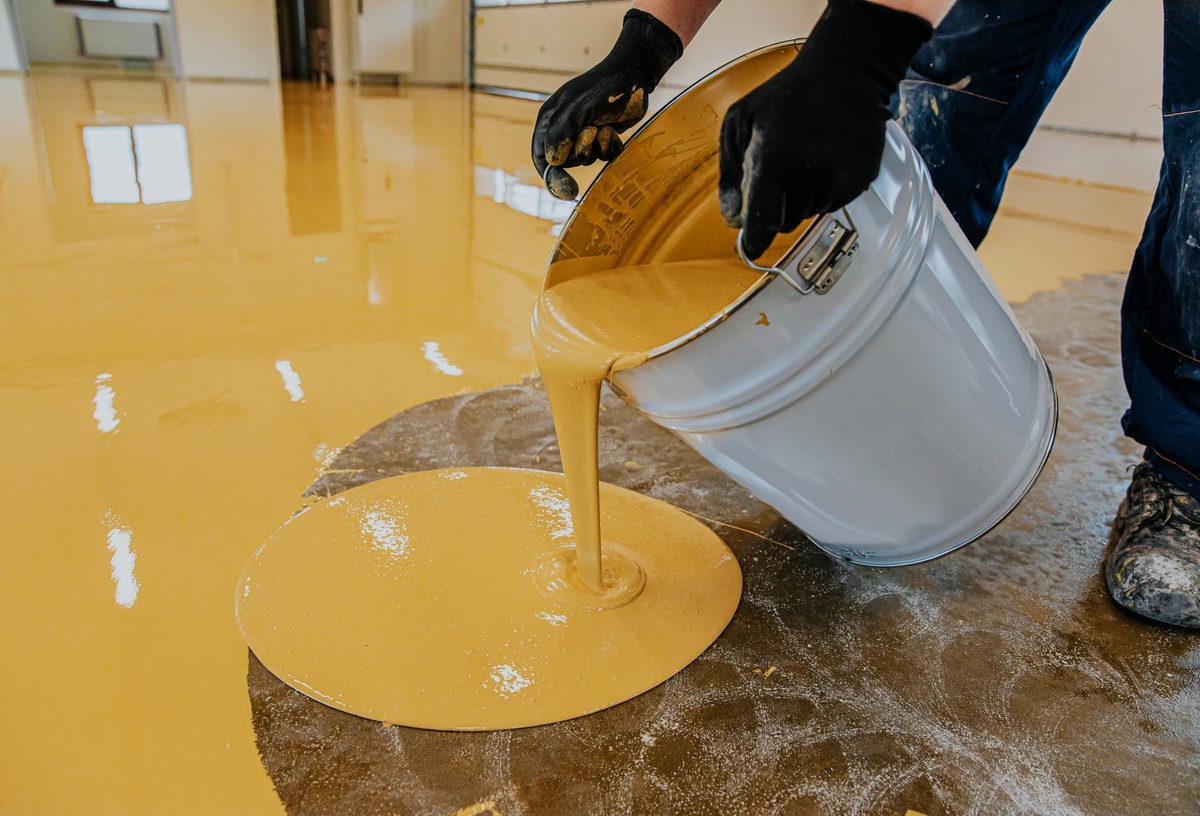
The process typically starts with a discussion of the room, the intended use, budget, and visual preferences. The concrete is inspected for damage, contaminants, previous coatings, and moisture risk. Mechanical preparation opens the surface to support bonding. Repairs and patching may be completed before the primer or basecoat is installed. Decorative materials and a topcoat are added when specified. The area must then remain undisturbed through the required cure. A site-specific proposal should state what is included and when the room can be used again.
Why Professional Installation Matters
A coating cannot compensate for a weak slab or solve moisture movement on its own. Poorly prepared concrete, incompatible old paint, incorrect mixing ratios, or recoating outside the product's window can lead to peeling, bubbles, uneven sheen, or premature wear. Professional installers can identify conditions that need repair, follow the coating manufacturer's requirements, and help select a finish appropriate to the space.
Choosing a Contractor in Avondale, Arizona
When comparing residential epoxy flooring contractors in Avondale, ask for the exact product system, preparation method, repair allowance, finish options, and curing instructions. Ask how the proposal handles moisture, cracks, and old coatings. Confirm ventilation and access needs, especially if the project is near occupied rooms. A clear written estimate is more useful than a broad promise that every floor can be completed the same way.
Planning a residential project
Move furniture, stored items, and vehicles out of the work area before the scheduled start. Ask how dust will be controlled, whether adjacent rooms need protection, and how long odors or ventilation precautions may matter. If the slab is newly poured, confirm the required concrete cure and moisture conditions before scheduling.
Finish selection for everyday living
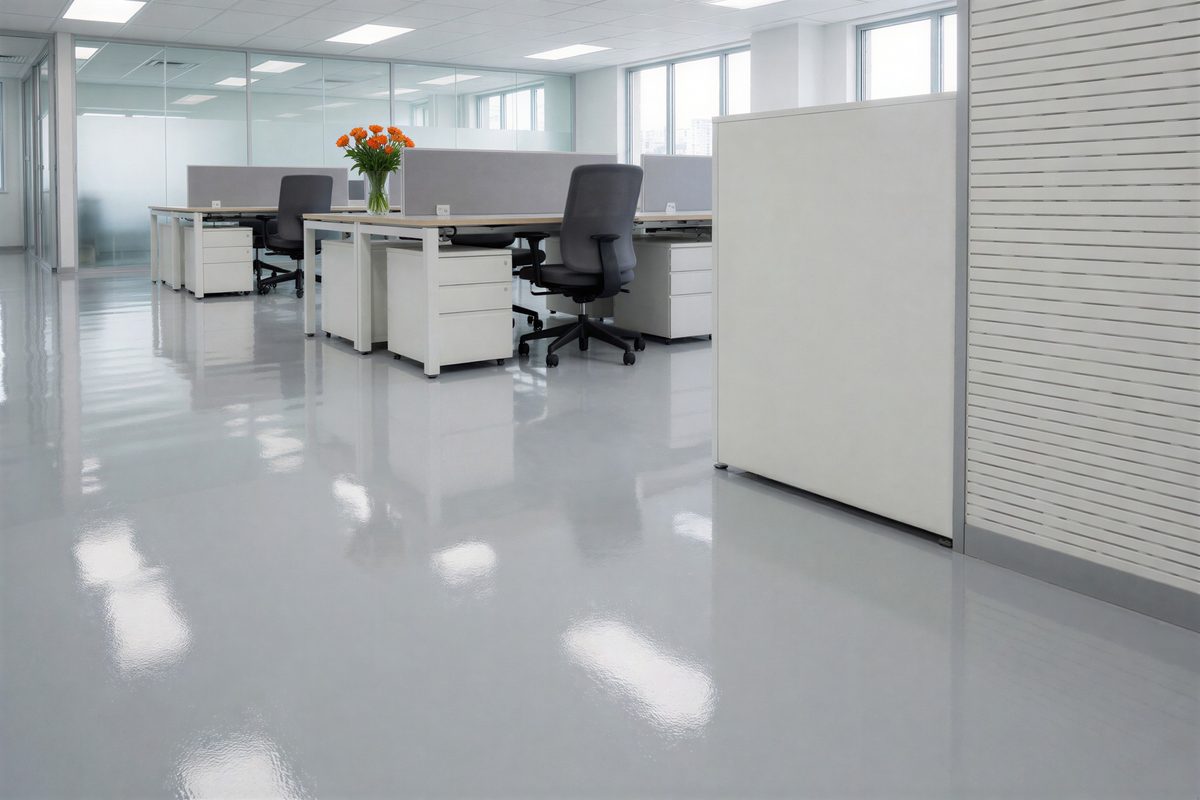
High gloss can emphasize reflections and small marks, while satin finishes may create a softer appearance. Lighter colors can make a small room feel brighter but may show dirt; darker tones can show dust. Use samples and discuss how the room's lighting changes during the day.
Concrete moisture and the age of the slab
Concrete can look dry while moisture vapor still moves through it. That movement can affect adhesion in some resin systems. The contractor should ask about slab age, ground-level conditions, past water intrusion, and any history of dampness. Moisture testing and a mitigation layer may be appropriate depending on the product limits. New concrete must meet the chosen system's curing and moisture requirements; a calendar estimate alone is not enough.
Comfort, appearance, and everyday habits
Resin floors are hard surfaces, so they will not feel like carpet or resilient flooring underfoot. A glossy finish reflects light and can show dust, while a textured finish may provide traction but collect more grime. Consider rugs or mats only where they are compatible with the finish and do not trap moisture. In areas where water is likely, select a system and cleaning routine that account for slip risk.
Budgeting and comparing estimates
A fair comparison should identify square footage, prep method, repairs, coating layers, decorative options, topcoat, and cure requirements. A low price may reflect a thin coating or limited preparation; a higher price may include more repair work or a different chemistry. Ask the contractor to explain differences in plain language. Do not assume that all products labeled epoxy have equivalent thickness, durability, or chemical resistance.
Care and repair planning
Routine sweeping and damp mopping help keep grit from abrading the surface. Place protective pads under furniture and avoid dragging heavy items. If a heavy object chips the finish, remove loose material and ask about a compatible repair rather than applying an arbitrary store-bought coating. A repaired spot may be visible, especially on metallic or high-gloss finishes.
Why Choose Epoxy Flooring Avondale AZ
Epoxy Flooring Avondale AZ helps homeowners evaluate residential coating choices without treating every concrete floor as identical. We can discuss intended use, finish preferences, and the questions to ask about preparation and curing so the proposed system aligns with the property. The goal is a floor that suits the space—not simply a glossy finish on installation day.