Residential Applications
Commercial epoxy is not generally specified for ordinary residential use simply because it is called commercial grade. Home garages and workshops may benefit from similar technologies, but a residential project usually has different traffic, appearance, and budget priorities. If a property includes both a business area and a home, the two spaces should be assessed separately.
Commercial Applications
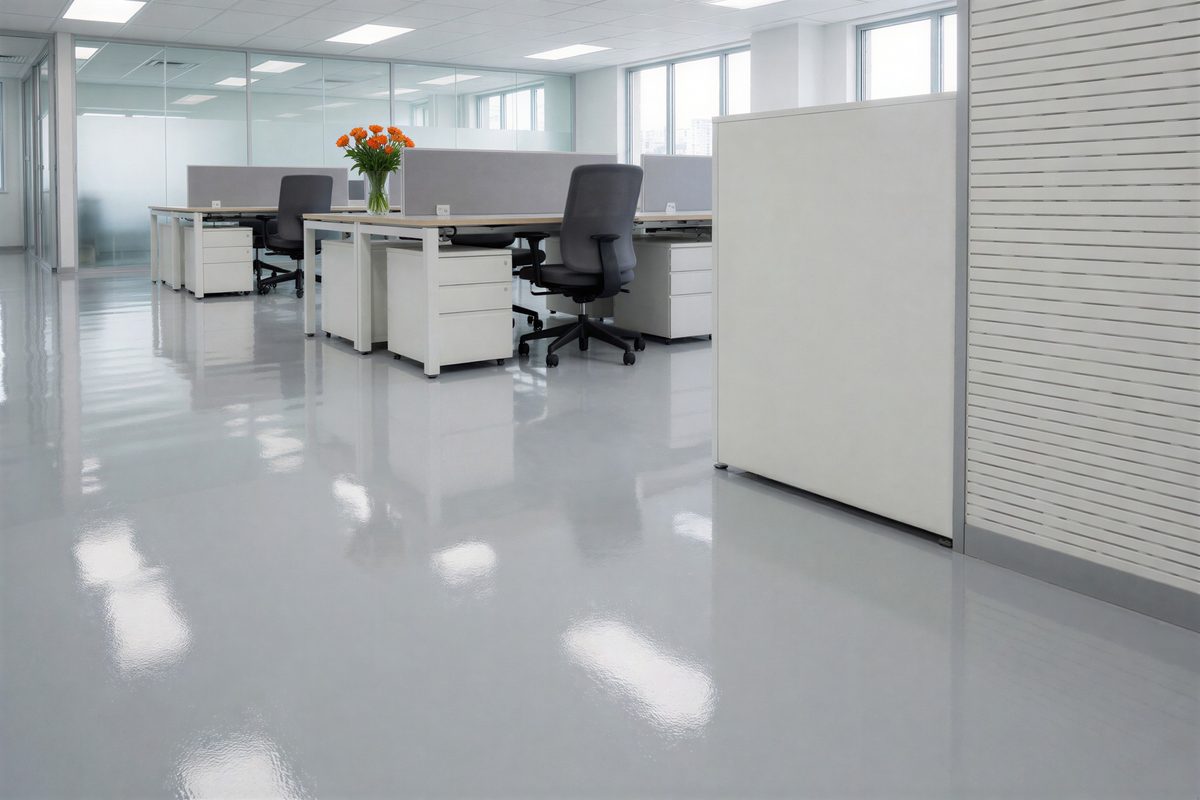
Potential applications include retail back rooms, showrooms, offices with exposed concrete, service bays, small production spaces, maintenance rooms, and selected food or healthcare support areas when the exact system meets relevant operational and regulatory requirements. A coating alone does not make a facility compliant with sanitation, fire, slip-resistance, or workplace safety standards. Those needs must be verified separately.
Common Applications
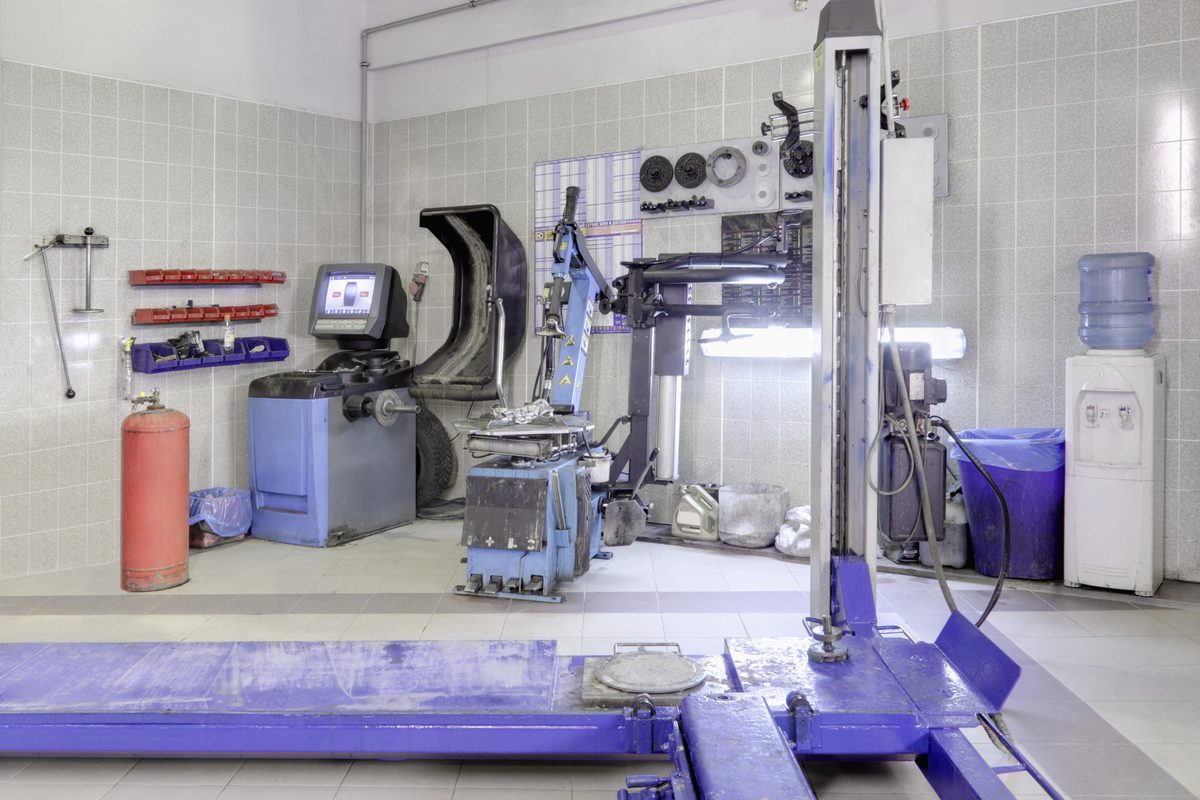
Typical projects may include retail sales floors, corridors, storage rooms, equipment rooms, workshops, vehicle service spaces, and light manufacturing areas. Heavy industrial, wet-processing, commercial kitchen, or high-temperature environments may need specialized resin systems such as urethane cement or chemical-resistant formulations rather than a standard epoxy floor.
Materials, Finishes, and System Options
Options include solid-color epoxy, high-build epoxy, quartz-filled systems, decorative flake, anti-slip additives, and compatible urethane or polyaspartic topcoats. System selection should account for abrasion, chemical contact, UV exposure, thermal cycling, cleaning agents, traffic, and required surface texture. For spaces with direct sunlight, a UV-stable finish may help reduce color change. For wet work areas, choose traction with both worker safety and cleaning needs in mind.

Our Typical Installation Process
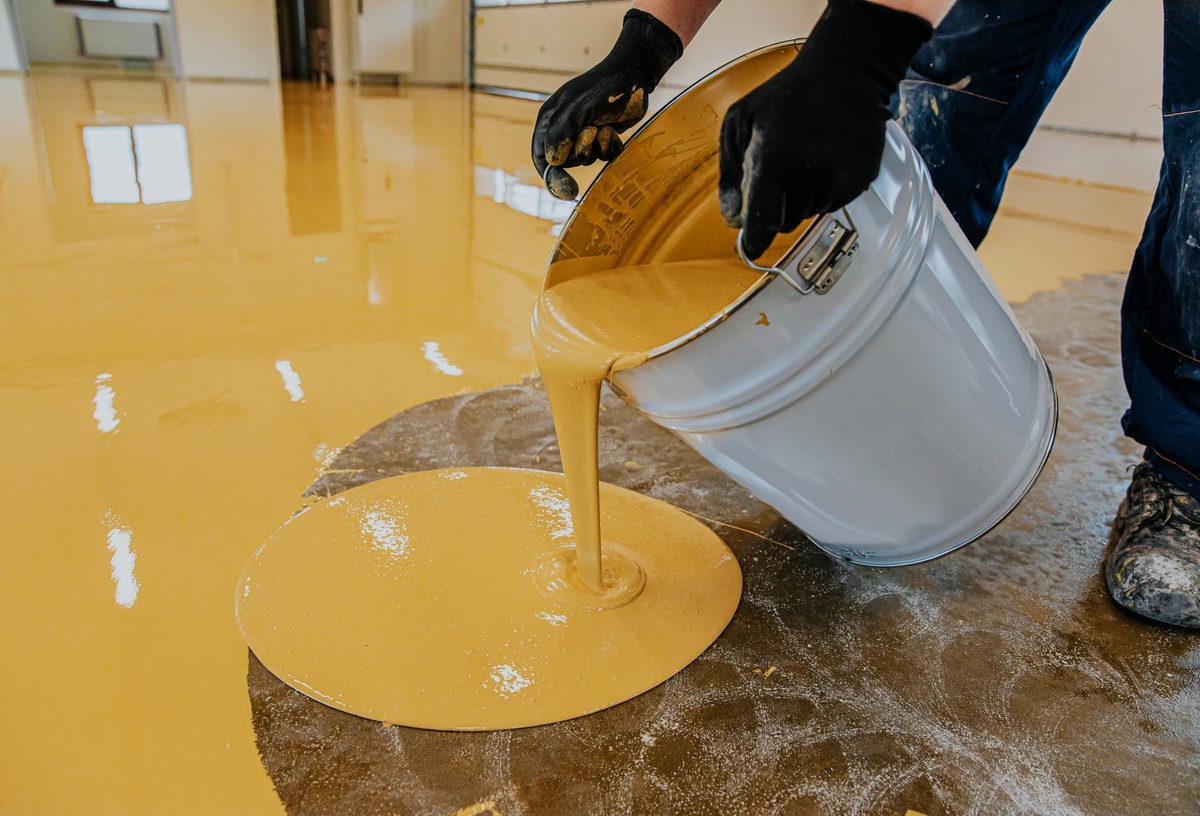
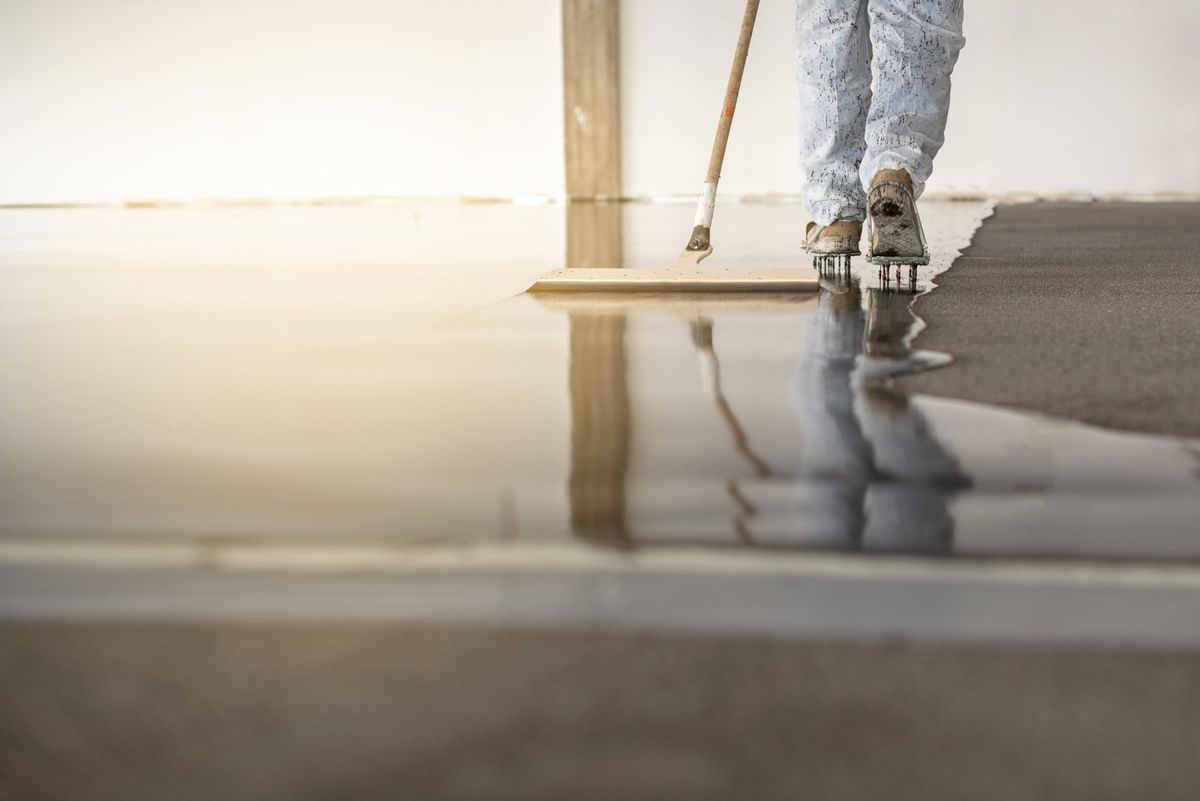
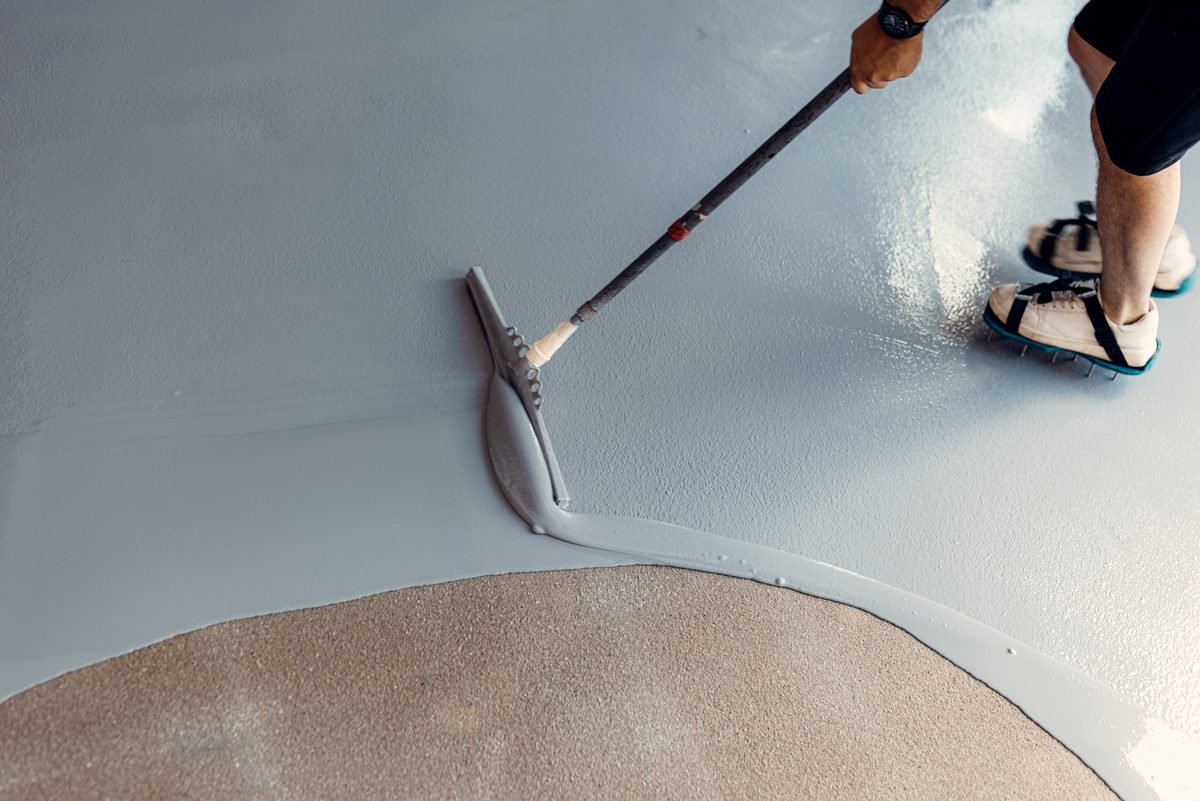
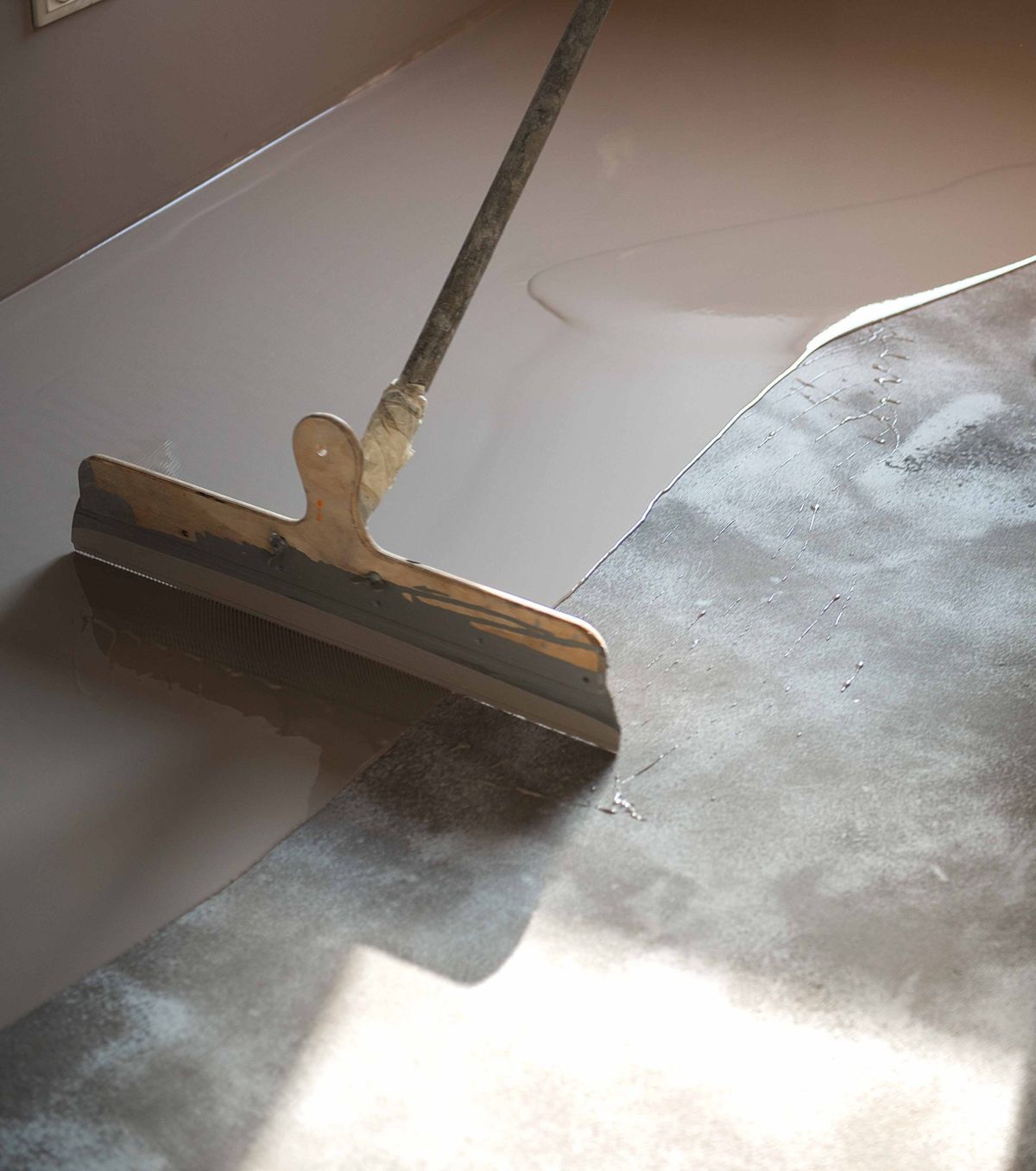
A typical commercial project begins with a site meeting to understand the business, traffic, equipment, working hours, and required finish. The slab is reviewed for cracks, joints, contamination, old coatings, and moisture conditions. The installer specifies surface preparation and repairs, then applies the selected primer, body coat, decorative material, and topcoat as required. Scheduling may be divided into zones to keep some areas operational, if feasible. Before reopening, the coating must reach the cure level required for the expected traffic.
Why Professional Installation Matters
Commercial coating failures can disrupt operations and create additional costs. Proper surface profiling, moisture evaluation, repair detailing, product compatibility, mixing, and cure control are critical. The cheapest bid may omit preparation, use a system unsuited to traffic, or assume that the floor can reopen too quickly. A written scope and realistic downtime plan help reduce surprises.
Choosing a Contractor in Avondale, Arizona
Ask a prospective commercial epoxy flooring contractor for a system schedule, preparation specification, product data sheets, cure schedule, and explanation of how joints and cracks will be treated. Discuss chemical exposure, rolling loads, sanitation needs, and any requirements from your safety or facilities team. Clarify who moves equipment, how dust is controlled, where materials are staged, and how the work will affect access.
Planning around business operations
Map equipment, inventory, pedestrian routes, and emergency access before the installation date. If a phased project is proposed, identify barriers and safe routes between work zones. Do not reopen a coated area until the manufacturer’s requirements for the expected load have been met.
Maintenance and lifecycle considerations
Ask for a maintenance schedule that identifies suitable cleaners, spill response, inspection points, and how to address localized damage. A floor with regular inspection and prompt repair may be easier to maintain than one left until failures become widespread.
Specifying performance instead of a product name
A commercial floor specification should start with service conditions: traffic frequency, wheel material, point loads, impact, temperature, cleaning chemicals, wetness, and exposure duration. Then compare product data for abrasion, chemical resistance, slip characteristics, and cure requirements. 'Commercial grade' is not a complete specification. Two epoxy systems can differ substantially in solids, film build, and suitability for a given environment.
Managing installation and reopening
Before work begins, identify equipment that must be moved, ventilation needs, material staging, waste handling, and alternate routes. Plan the sequence so employees and visitors do not enter uncured areas. Fast-curing coatings can help with scheduling, but only if preparation, recoat windows, and full cure are respected. Reopening should be based on the expected traffic, not merely a dry-looking surface.
Cleaning, spills, and inspections
The facility's cleaning products should be checked against the coating's chemical resistance. Strong degreasers or concentrated disinfectants may affect some finishes. Document spill response and routine cleaning, and inspect areas around doors, wheels, drains, and equipment for wear. Early attention to a damaged area may be less disruptive than waiting until coating failure spreads.
Safety and accessibility considerations
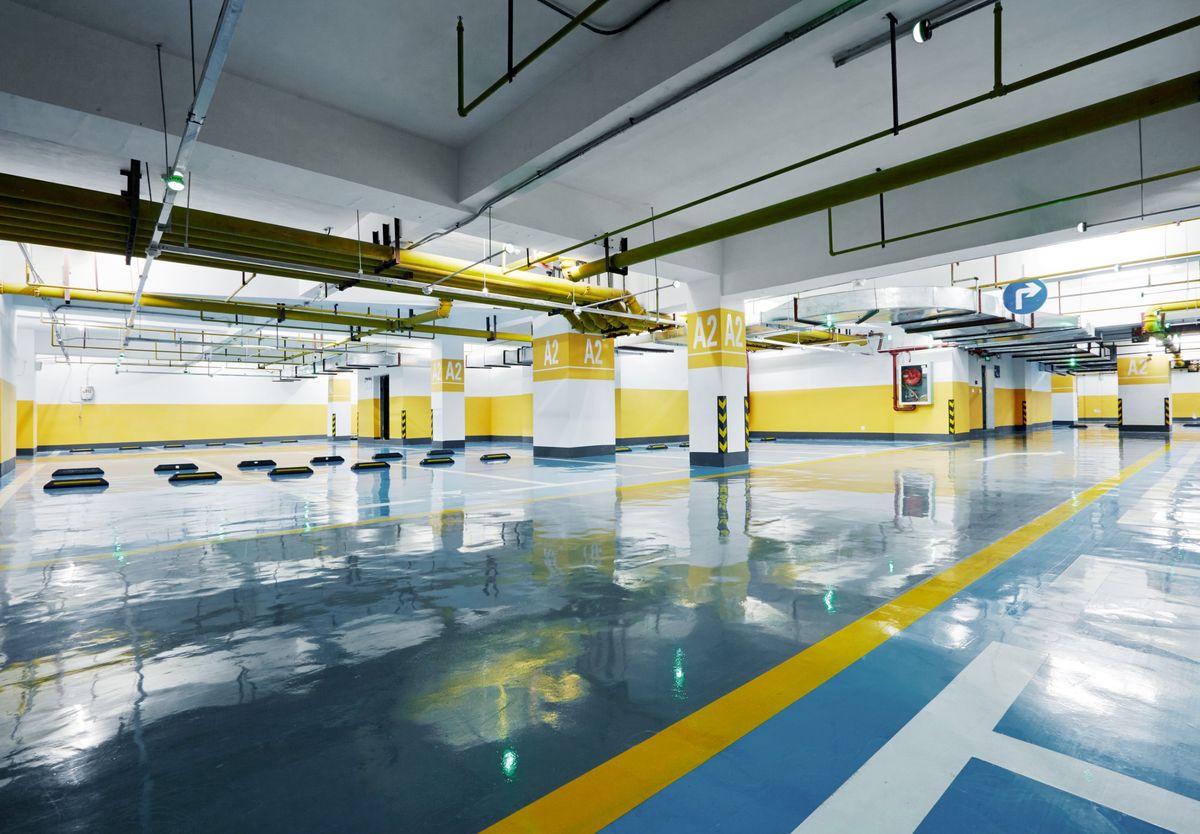
Slip resistance, line marking, transitions, and drainage should be evaluated with the facility's safety and accessibility requirements. A coating installer can discuss surface texture and compatible markings, but the facility remains responsible for confirming applicable codes and operational safety practices. Avoid assuming that a decorative color or texture alone satisfies a formal requirement.
Why Choose Epoxy Flooring Avondale AZ
Epoxy Flooring Avondale AZ can help businesses define the needs of their concrete floors and compare practical coating approaches. A useful project discussion covers what the floor must withstand, how it will be cleaned, the appearance expected, and the amount of downtime the business can accommodate. We aim to make system choices and project assumptions clear before work is scheduled.