Residential Applications
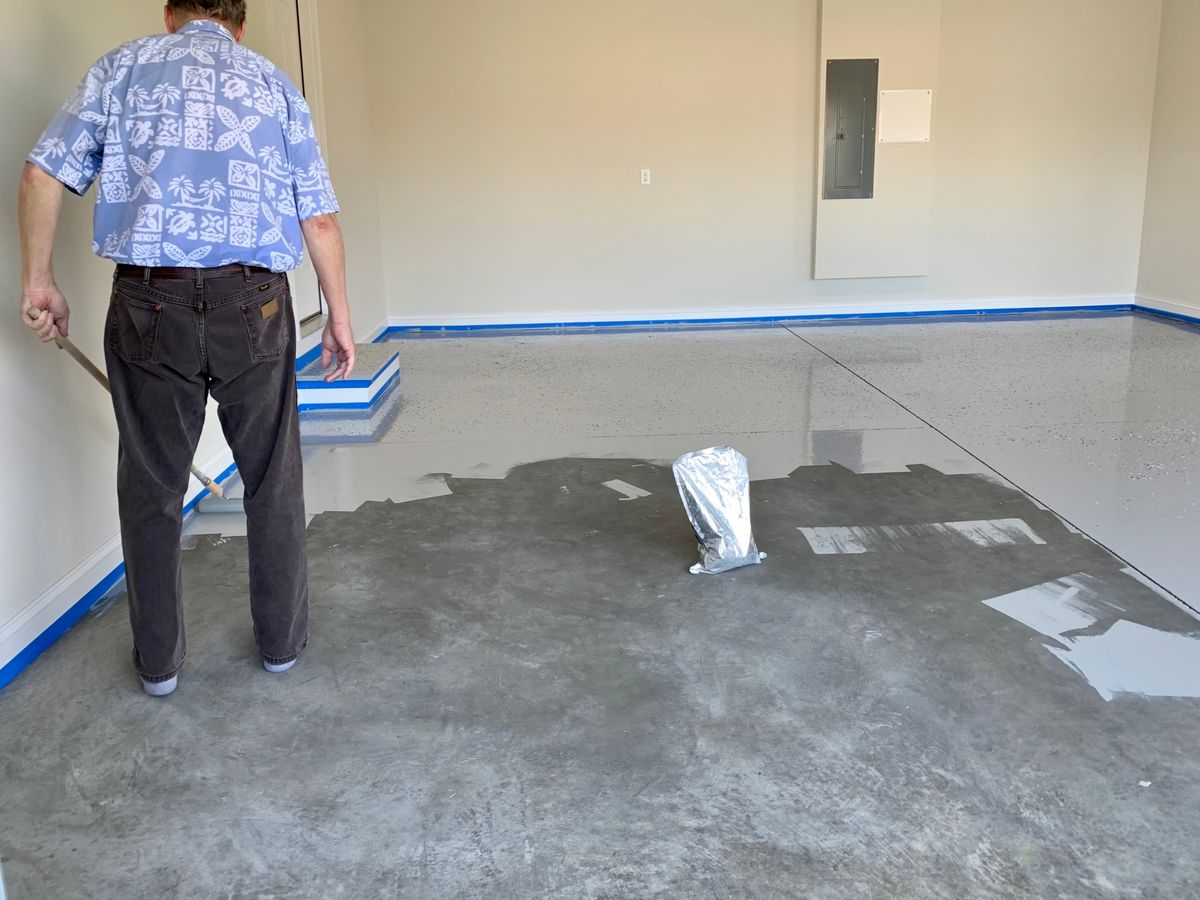
Residential garage projects may cover a one-car garage, a two- or three-car garage, a workshop bay, or a utility area connected to the home. The slab's condition matters as much as square footage. Existing paint, oil contamination, old sealer, cracks, previous coating failure, and low spots can change preparation requirements. If the garage doubles as a home gym or hobby space, ask about slip resistance, texture, and how the finish will feel underfoot.
Commercial Applications
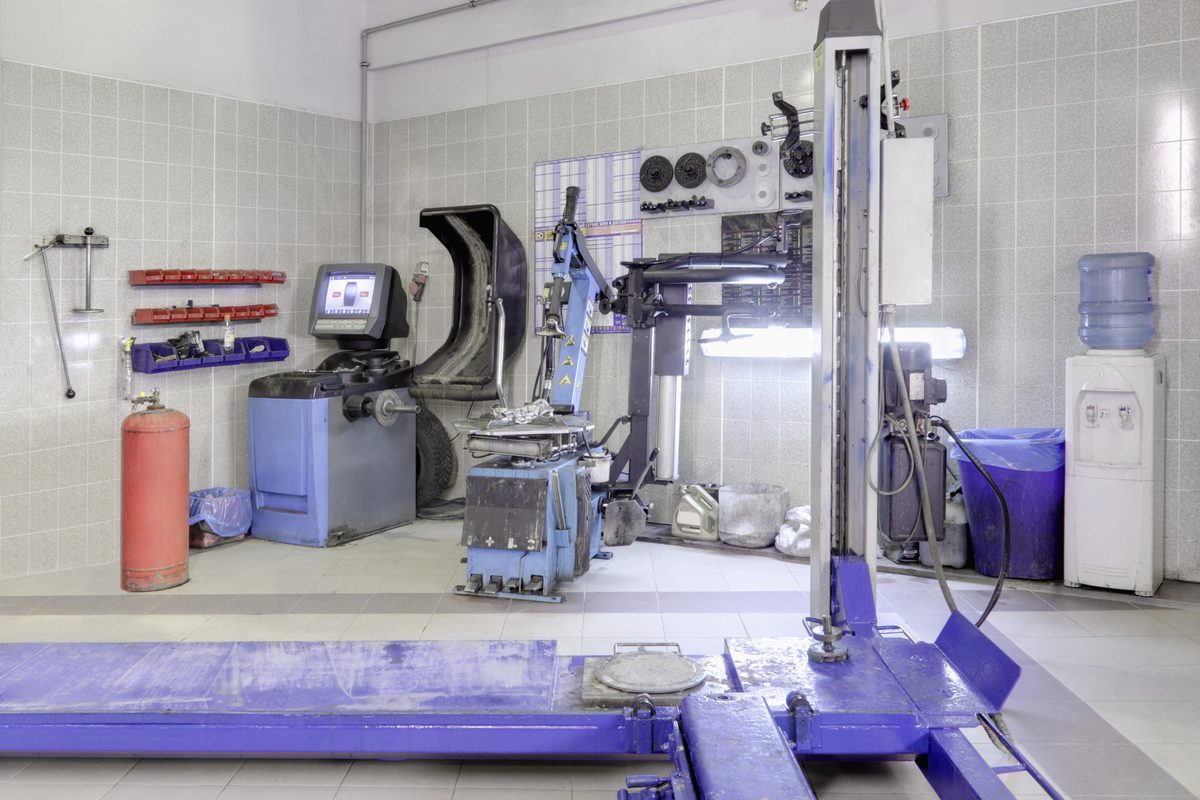
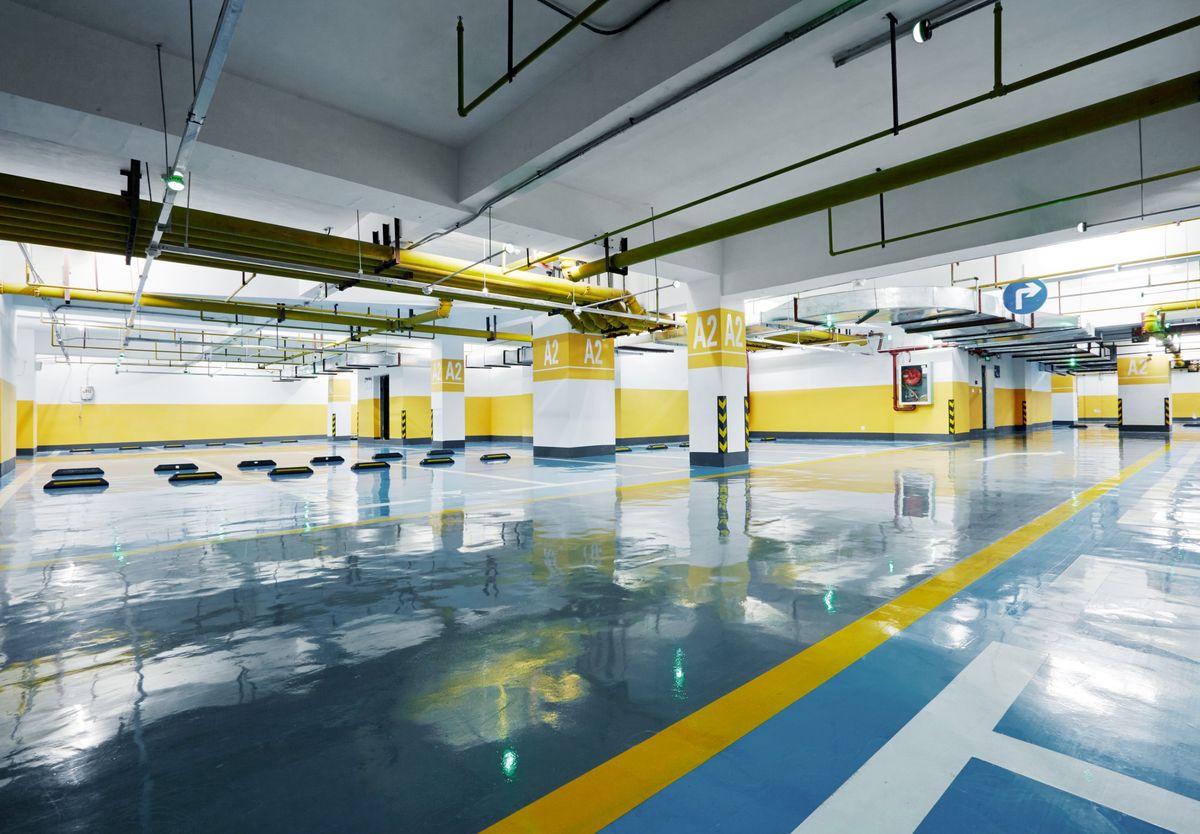
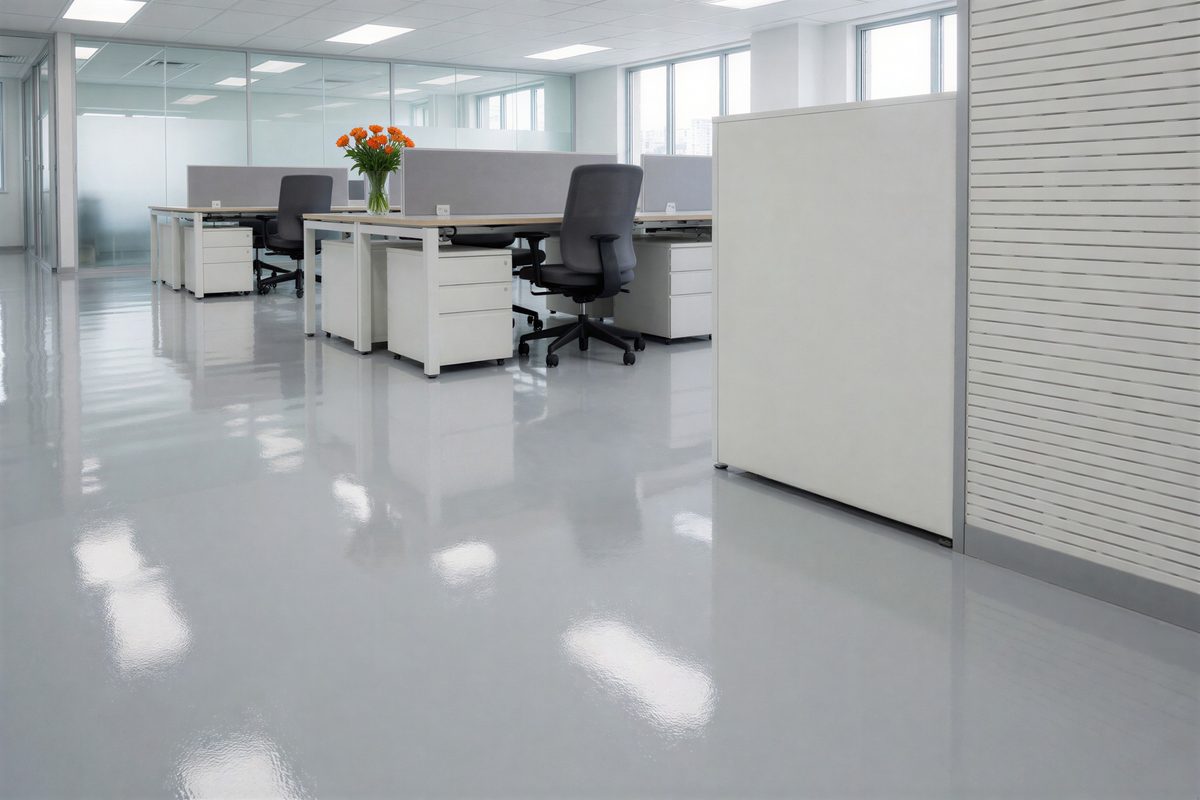
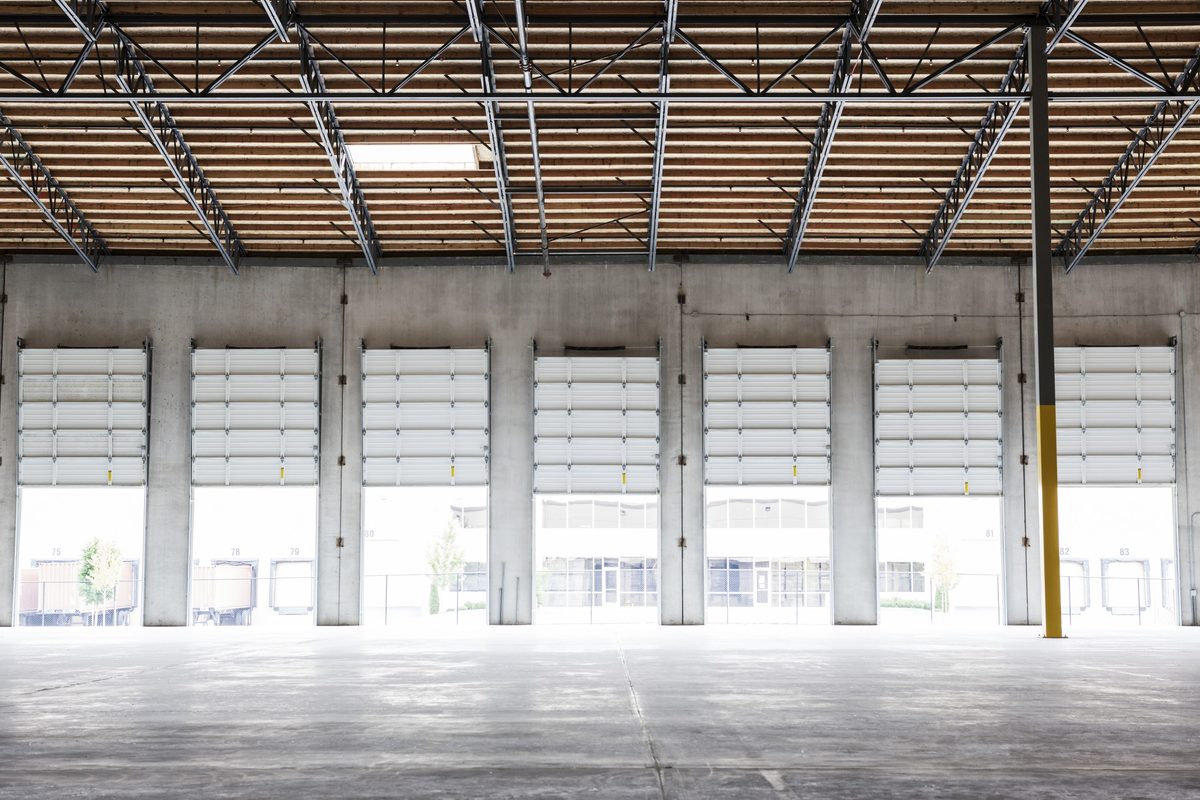
Small businesses may also need coated garage-like spaces, service bays, or vehicle storage areas. These floors can experience more frequent traffic, heavier loads, and exposure to products not commonly found in a home garage. A contractor should discuss operating hours, vehicle type, turning and braking, cleaning chemicals, and the consequences of downtime before recommending a residential-grade system for a business.
Common Applications
Typical applications include attached and detached garages, home workshops, hobby rooms, vehicle storage, utility rooms with suitable concrete, and light-duty service areas. For high-traffic industrial work, forklift lanes, or frequent chemical exposure, a more specialized commercial or warehouse floor specification may be more appropriate than a standard garage system.
Materials, Finishes, and System Options
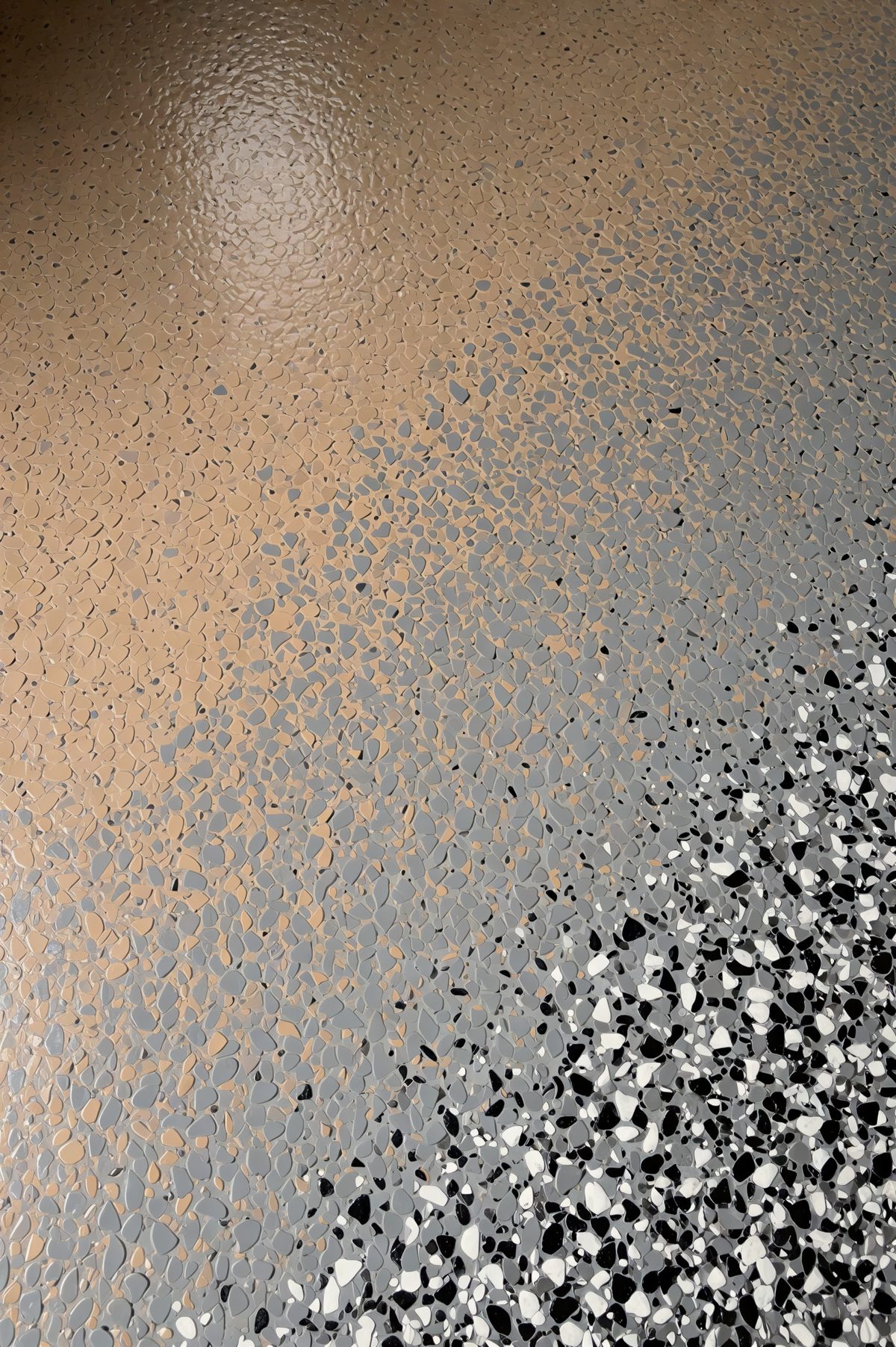
Common choices include epoxy basecoats, decorative vinyl flakes, solid-color systems, and polyaspartic topcoats. Full-flake finishes provide a textured decorative look; partial-flake designs show more of the base color. A clear topcoat can affect gloss, cleanability, UV stability, and traction. Anti-slip additives may be useful where water is tracked in, but more texture can require more cleaning. Product names alone do not define performance: compare the complete system, film thickness, surface preparation, and manufacturer data.

Our Typical Installation Process
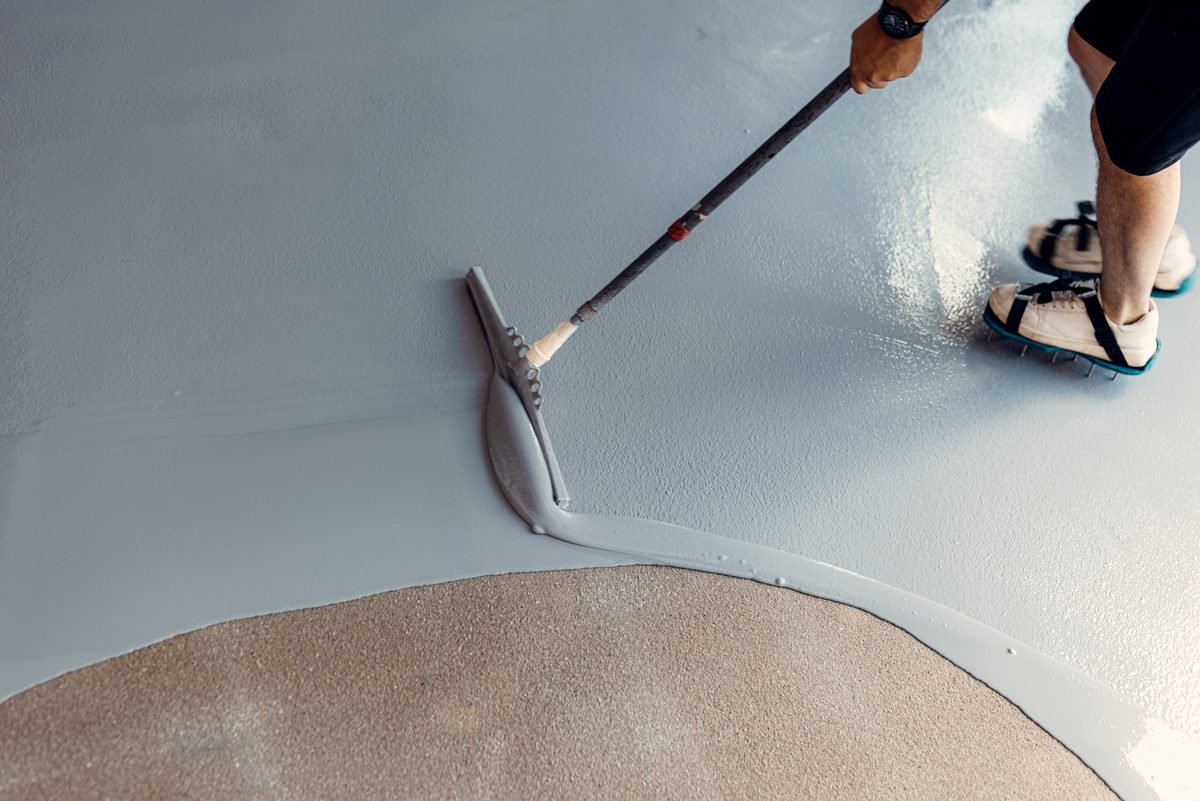
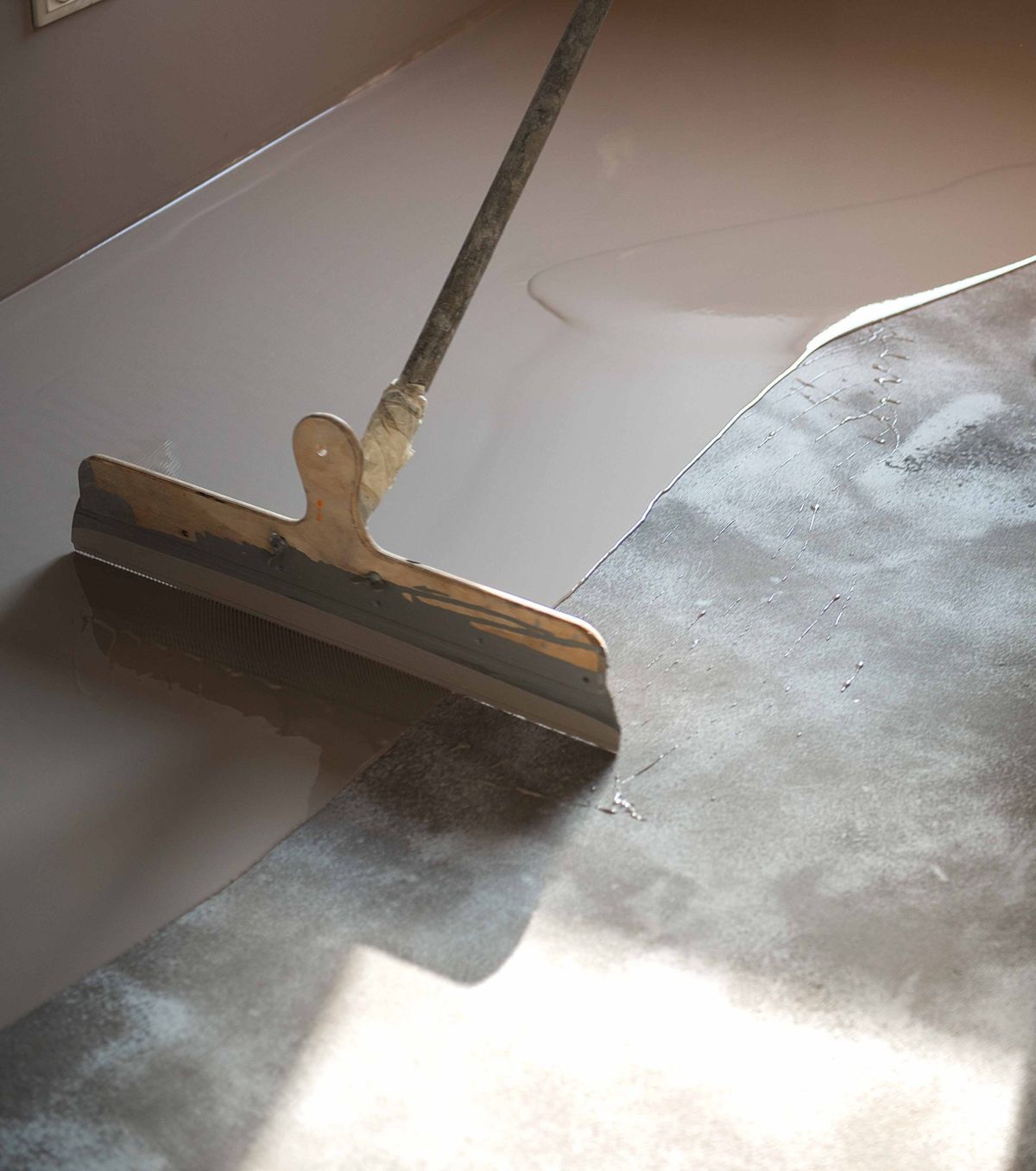
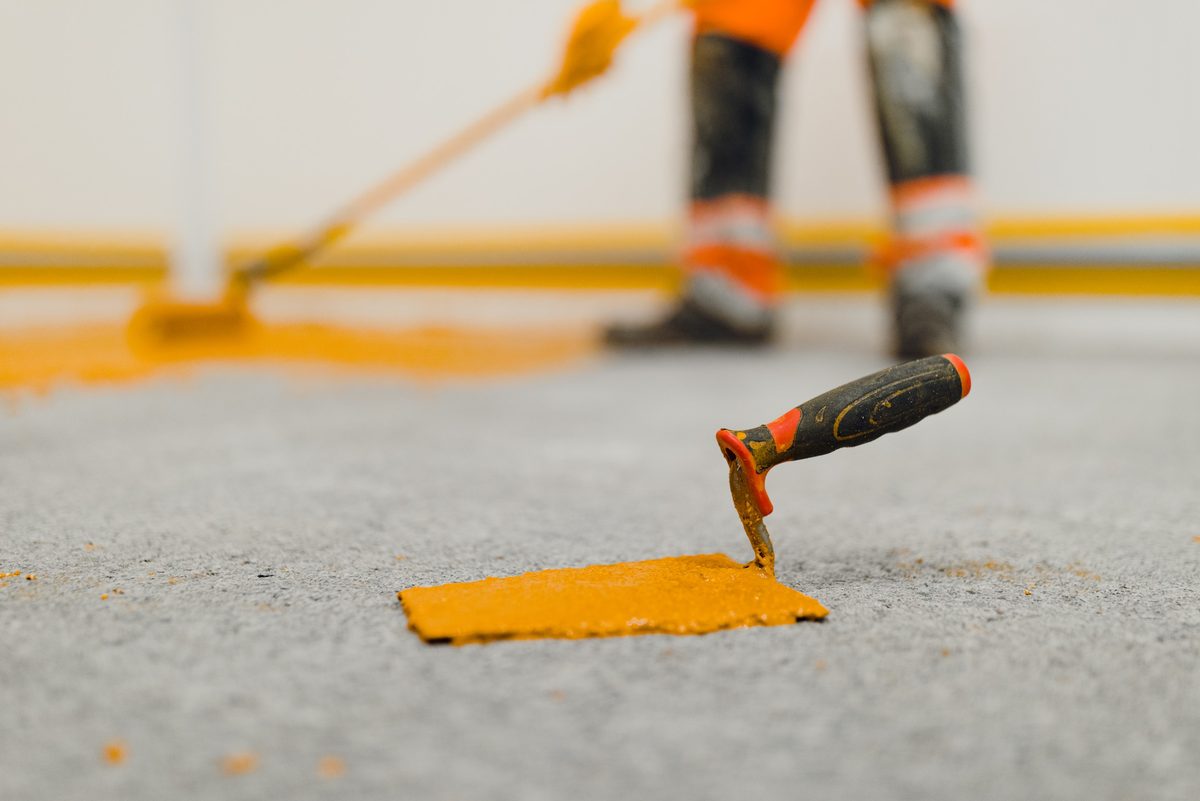
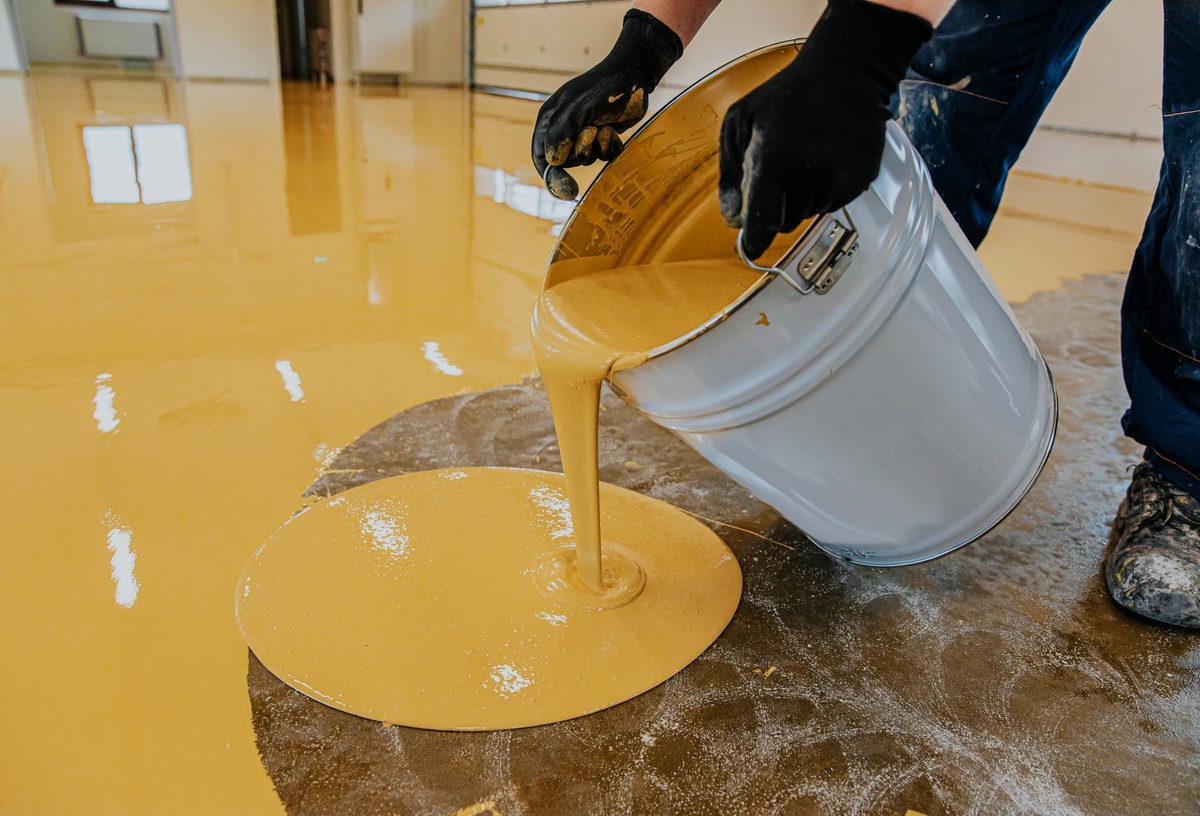
A typical professional project begins with a site review and discussion of intended use. The concrete is checked for visible damage, contamination, previous coatings, and potential moisture concerns. The surface is mechanically prepared, commonly by diamond grinding or another method suited to the slab and system. Cracks and defects are repaired as appropriate; repairs cannot guarantee that active structural movement will never reappear. The installer then applies the specified layers, broadcasts flakes if selected, removes excess material after cure, and applies the protective topcoat. The floor remains out of service for the product-specific cure period. Exact steps and timing vary by system and site conditions.
Why Professional Installation Matters
Coating applied over dust, oil, weak concrete, or an unsuitable existing sealer can lose adhesion. Acid washing or simple pressure washing alone may not create the surface profile required by many resin systems. Moisture vapor moving through a slab can also cause problems even in a dry-looking garage. Professional preparation, appropriate moisture evaluation, correct mixing, attention to temperature and recoat windows, and controlled curing help reduce avoidable failures.
Choosing a Contractor in Avondale, Arizona
Ask what preparation method will be used, how cracks and oil spots will be handled, whether moisture testing is appropriate, which exact coating layers are included, and when vehicles may return. Request written scope, product data, care instructions, and clarity about exclusions. Compare bids by preparation and system—not only by price per square foot or claims about a one-day installation. Confirm how the installer accounts for Avondale's heat during scheduling and material application.
Garage floor coating cost factors
Project cost is influenced by square footage, concrete condition, repairs, old coating removal, decorative choices, system thickness, and the selected topcoat. A clean, sound slab is different from a floor with oil contamination, multiple cracks, or failing paint. Ask for a written scope so the estimate makes clear which preparation and repair tasks are included.
Common mistakes to avoid
Do not choose solely by advertised cure time or assume a coating can be installed directly over any concrete. Skipping mechanical preparation, ignoring moisture, or driving on a floor before the specified cure can undermine the result. Keep the garage ventilated and clear for the time recommended by the installer.
Concrete condition and preparation details
The installer should look for weak surface paste, scaling, oil spots, tire marks, old sealers, patch compounds, and areas where water collects. Mechanical grinding or shot blasting is commonly used to create a suitable profile, but the exact method depends on the coating specification and slab. Repairs should be compatible with the coating system and allowed to cure as directed. A coating can make a sound slab easier to maintain; it cannot strengthen a slab that is structurally failing.
Heat, tires, and garage use
Avondale's hot weather makes application temperature and sunlight near an open garage door worth discussing. Hot tires can soften or stress some coatings, particularly when the system is poorly bonded or not fully cured. Ask which layer is intended to resist tire pickup and how long the floor must cure before a vehicle is parked. If the garage is also a workshop, describe the likely exposure to solvents, welding sparks, dropped tools, or rolling equipment.
Planning the garage before installation
Remove vehicles, shelving that blocks the slab, and stored items in the agreed work zone. Plan where the contents will go during preparation and curing. If wall edges, stem walls, steps, or the area beneath a water heater are important, confirm whether they are included. Establish a clear plan for pets, children, ventilation, and access to the home while the garage is unavailable.
Maintenance and long-term expectations
Use walk-off mats where practical and sweep away sand or grit that can act like an abrasive. Wipe up oil, brake fluid, and household chemicals promptly, and use a cleaner approved for the coating. Avoid metal scrapers and aggressive solvents unless the manufacturer approves them. Inspect high-wear spots near the garage door and vehicle turning areas. Timely touch-ups may help address localized wear, though color and gloss matching can vary.
Why Choose Epoxy Flooring Avondale AZ
Epoxy Flooring Avondale AZ can help you compare garage floor coating options based on appearance, use, slab condition, and project timing. A useful estimate should make the proposed system and preparation work understandable before installation begins. We focus on helping property owners identify the questions that matter, understand the trade-offs between epoxy and faster-curing topcoat systems, and plan for proper curing rather than rushing a floor back into service.