Residential Applications
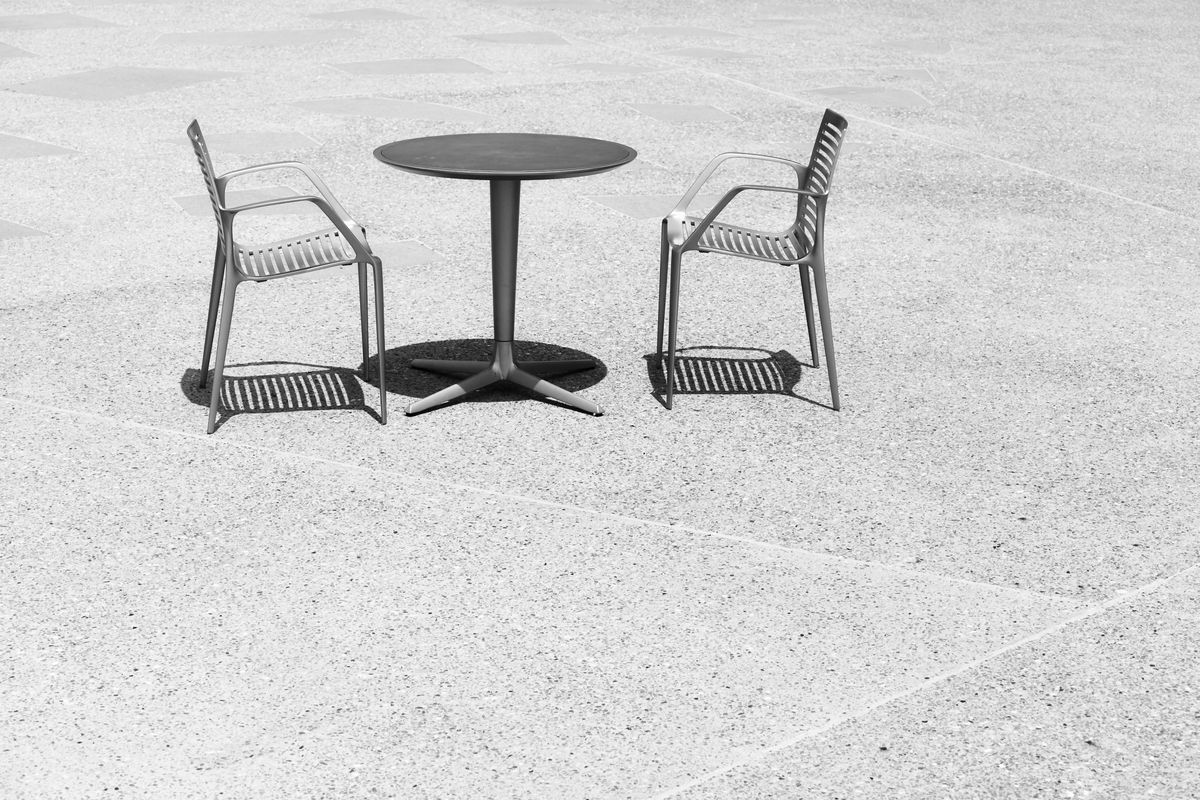
Homeowners may consider patio coatings for outdoor dining areas, covered patios, walkways, pool-adjacent concrete, and entry slabs. Each area has different traction and exposure needs. Pool decks and frequently wet walkways require special care around slip resistance and chemical exposure. A coating should not block drainage or be used to hide significant structural cracking, loose concrete, or water intrusion.
Commercial Applications
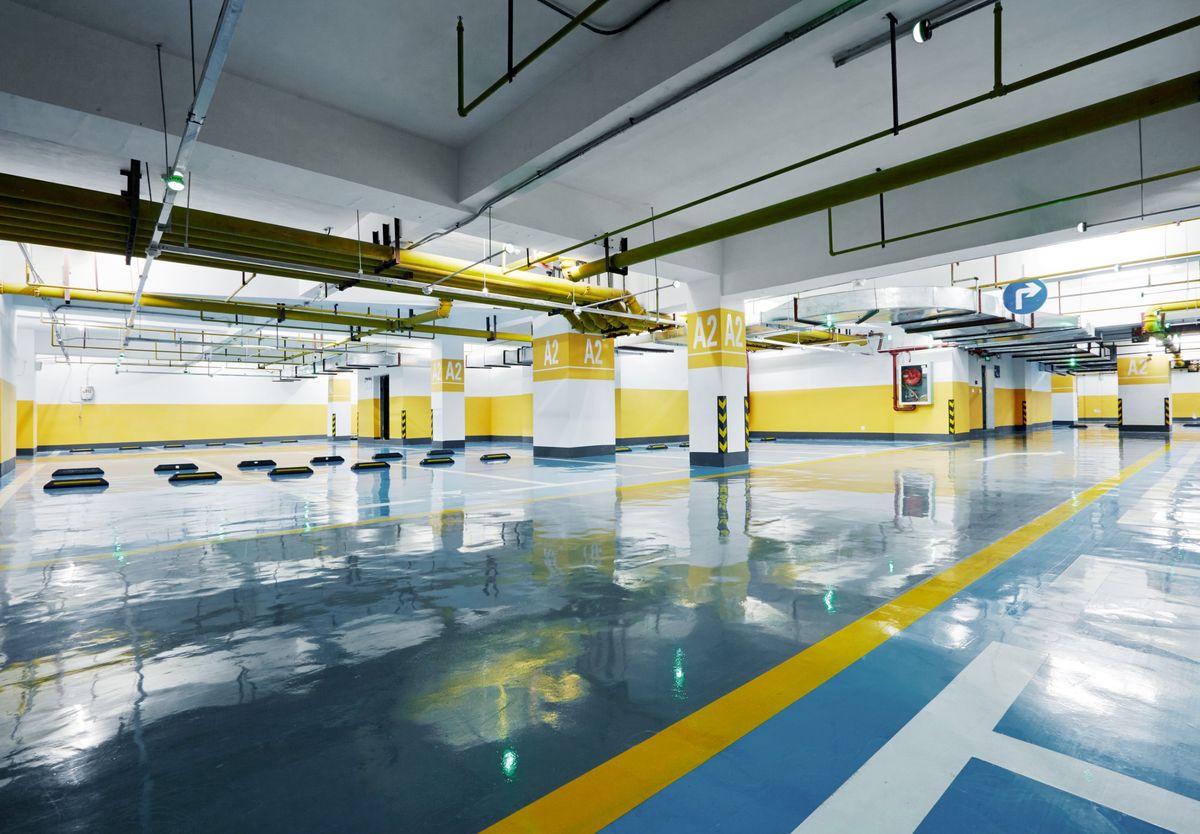
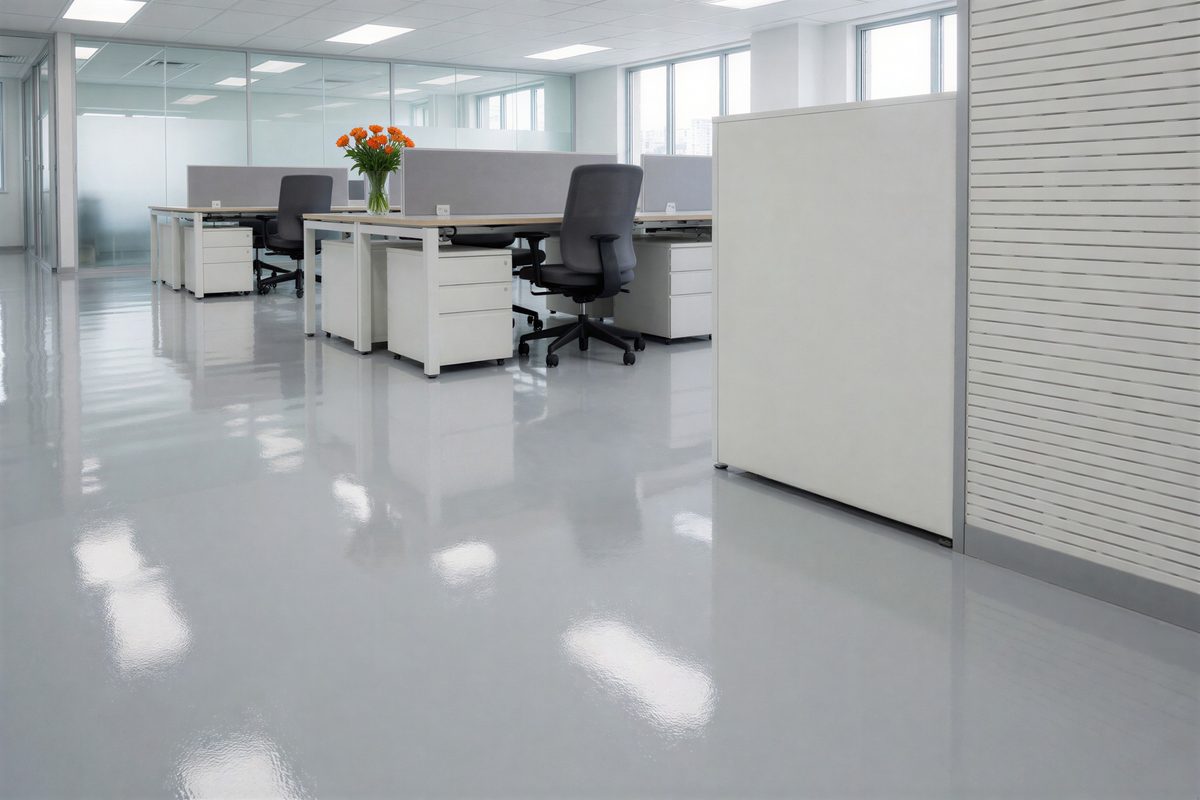
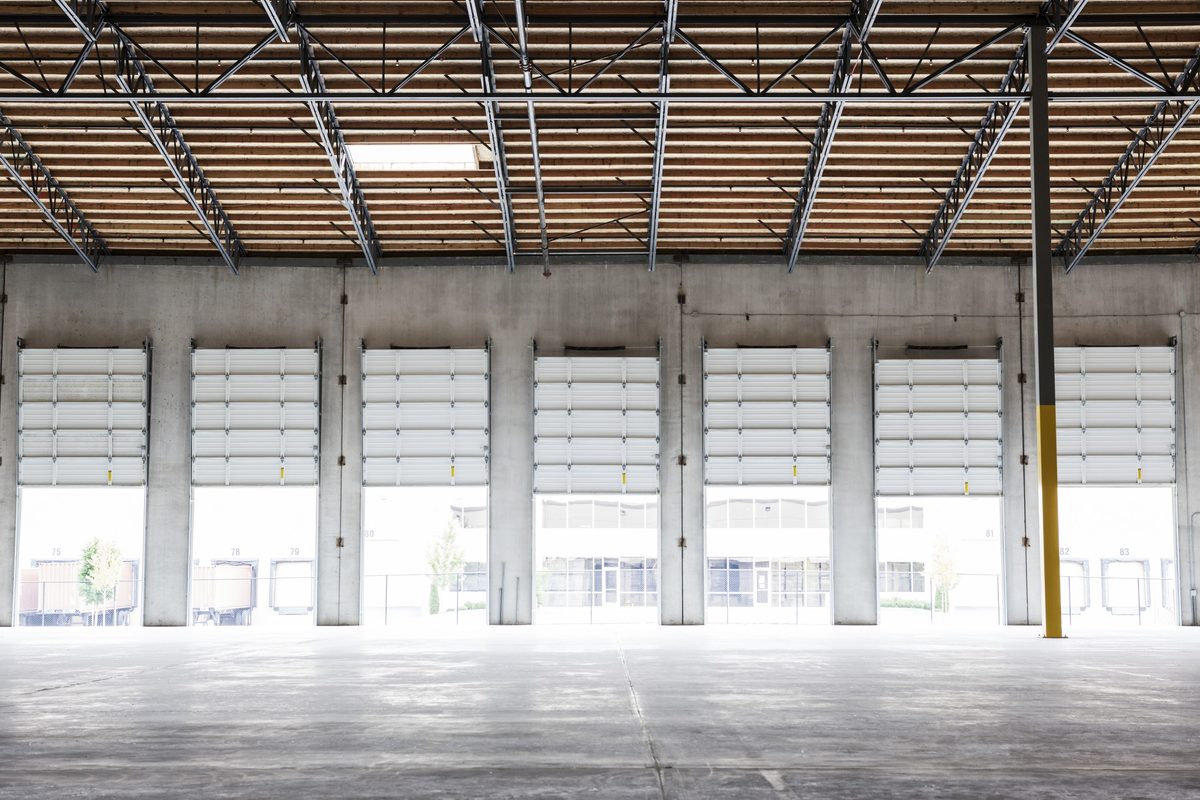
Restaurants, hospitality properties, retail entrances, apartment communities, and other businesses may use coated concrete in outdoor seating or pedestrian areas. Commercial spaces must also consider accessible routes, drainage, cleaning frequency, public foot traffic, and local code requirements. The coating itself does not establish compliance with accessibility or safety rules, so the complete walkway design should be reviewed where applicable.
Common Applications
Common applications include patios, covered outdoor rooms, walkways, entry areas, selected pool surrounds, and outdoor concrete spaces where the chosen product is approved. Driveways and vehicle areas require a system designed for tire traffic and turning forces. Vertical concrete, stairs, and areas with persistent water may need separate products or details.
Materials, Finishes, and System Options
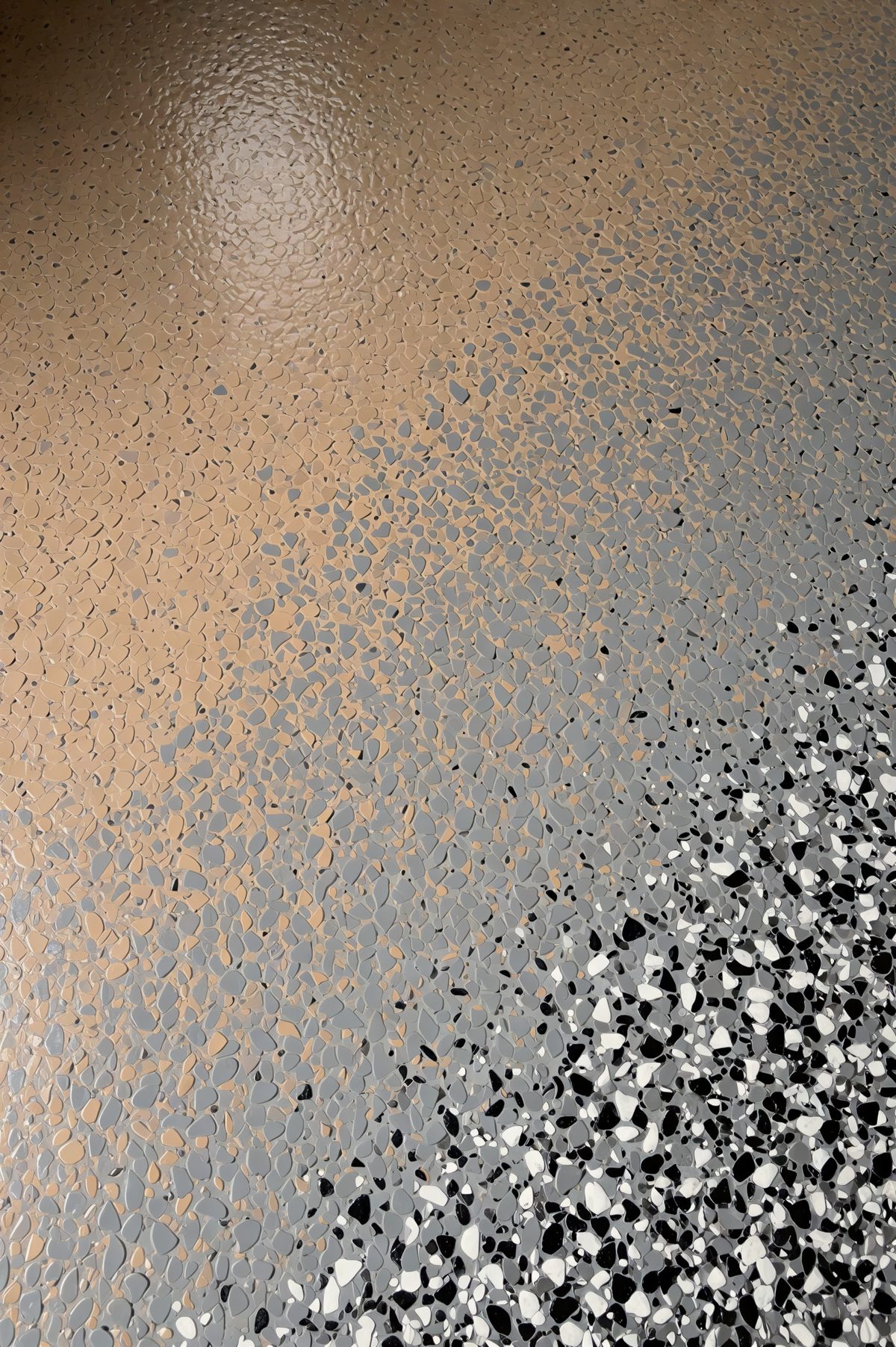
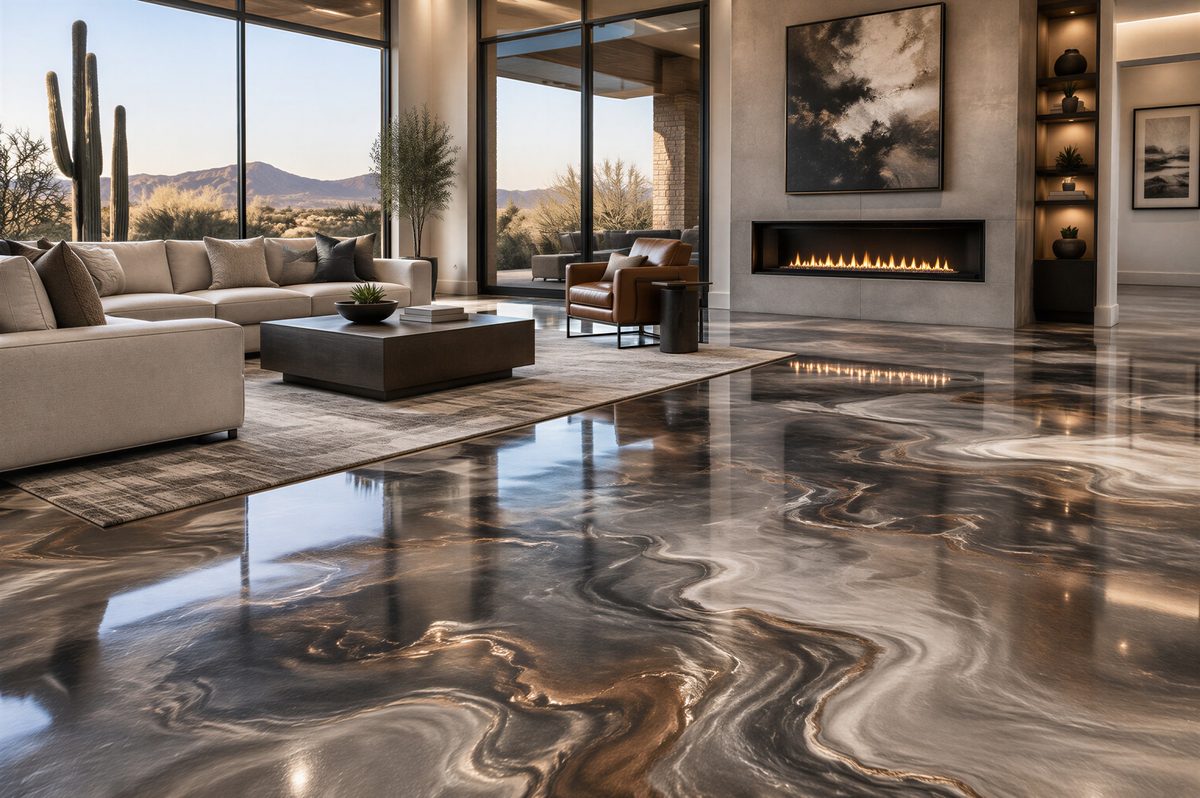
Options may include UV-stable polyaspartic systems, exterior-rated coatings, decorative flakes, textured finishes, concrete stains, and sealers. A decorative resin system can provide color and texture, while a penetrating sealer may be more appropriate when the goal is modest protection with minimal change to the slab's appearance. Compare slip resistance, color retention, repairability, water vapor behavior, and required maintenance. Ask whether the system is intended for direct sunlight and the specific concrete substrate.

Our Typical Installation Process
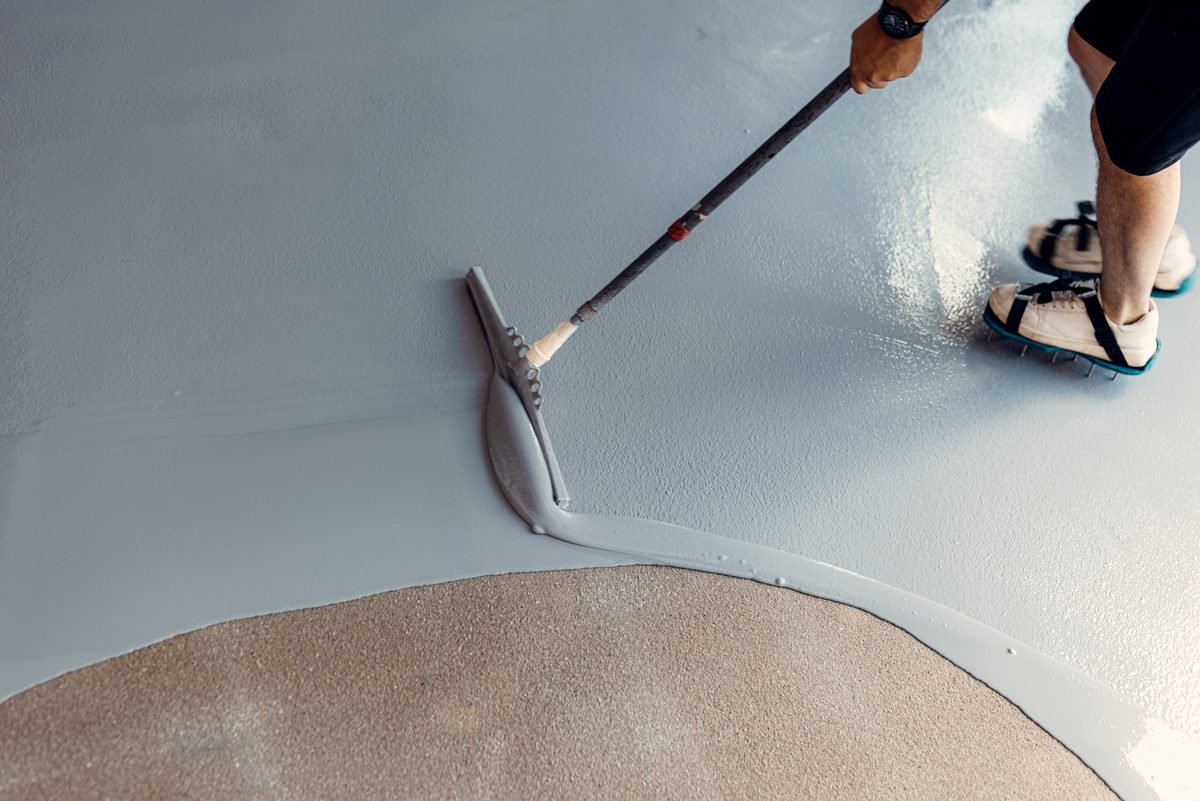
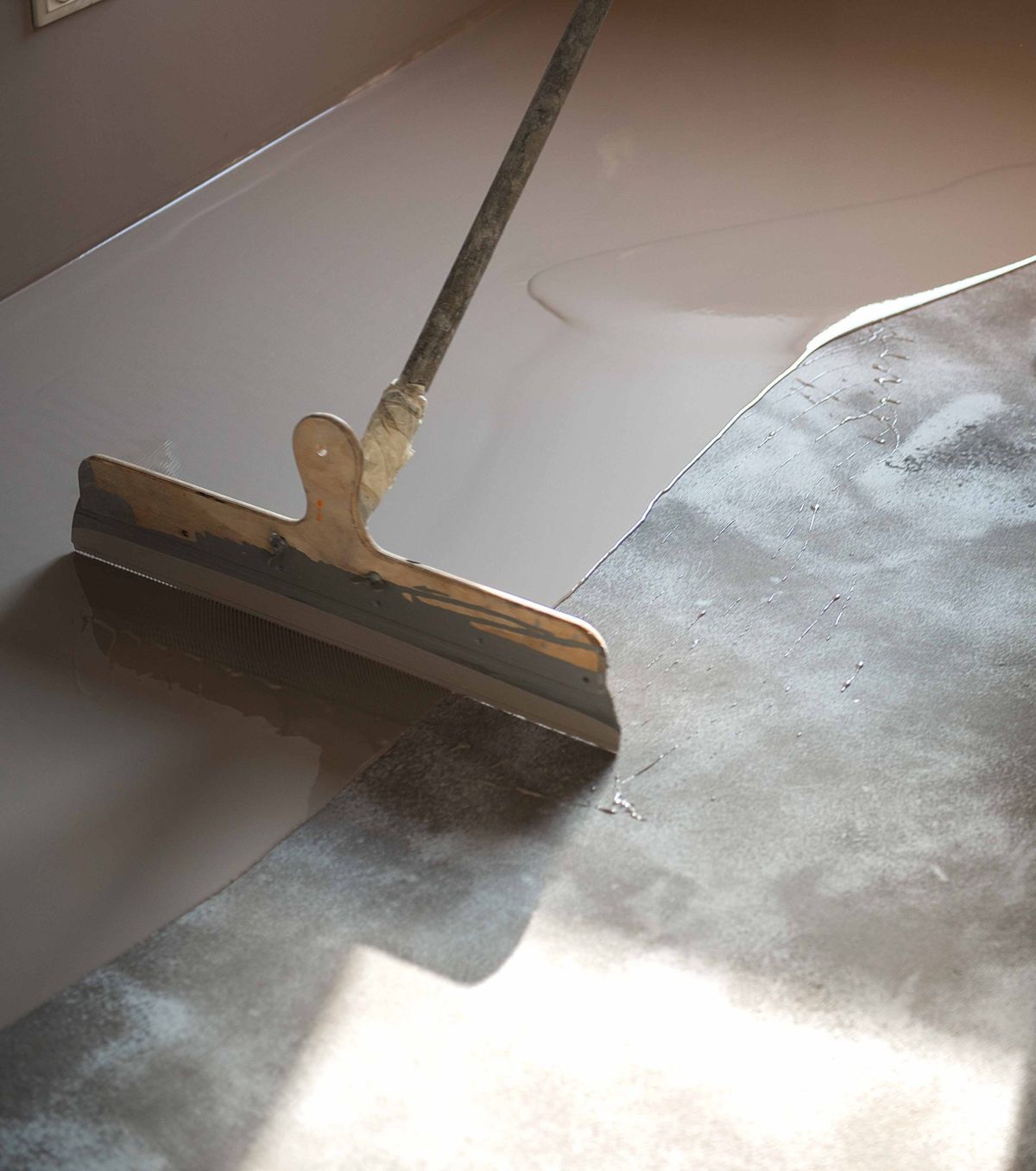
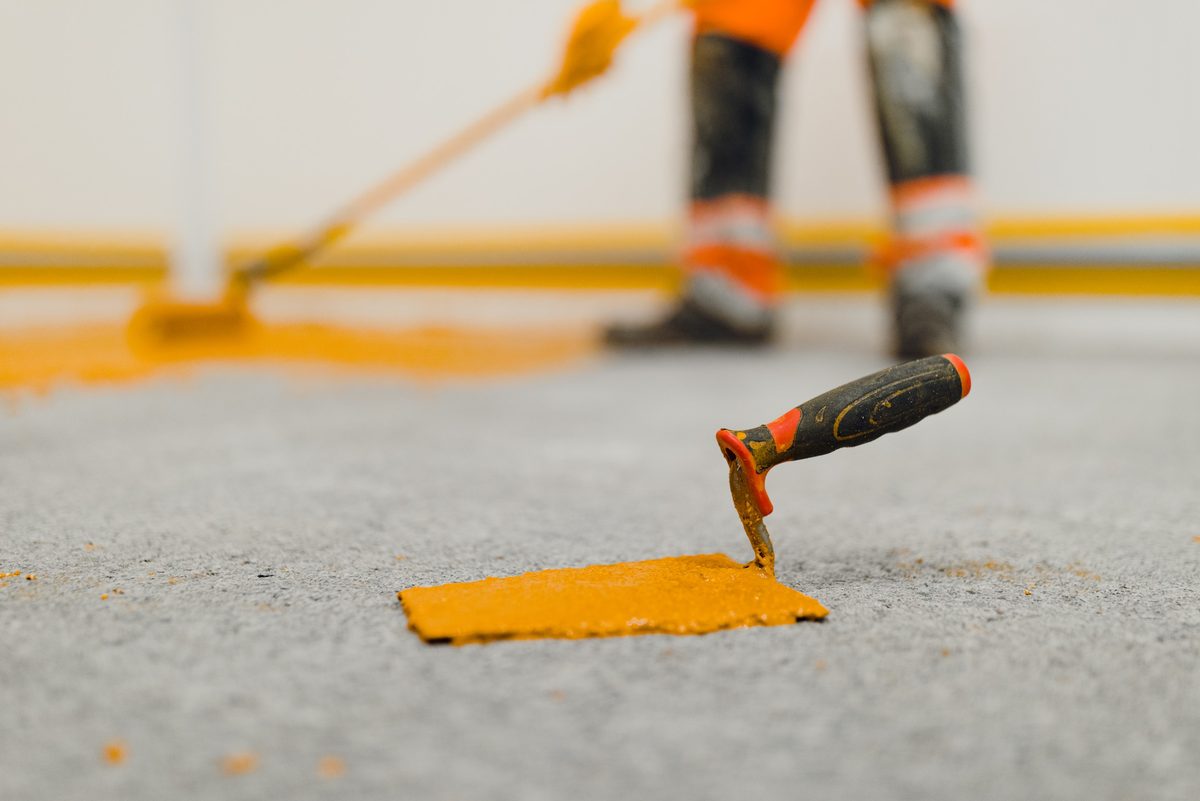
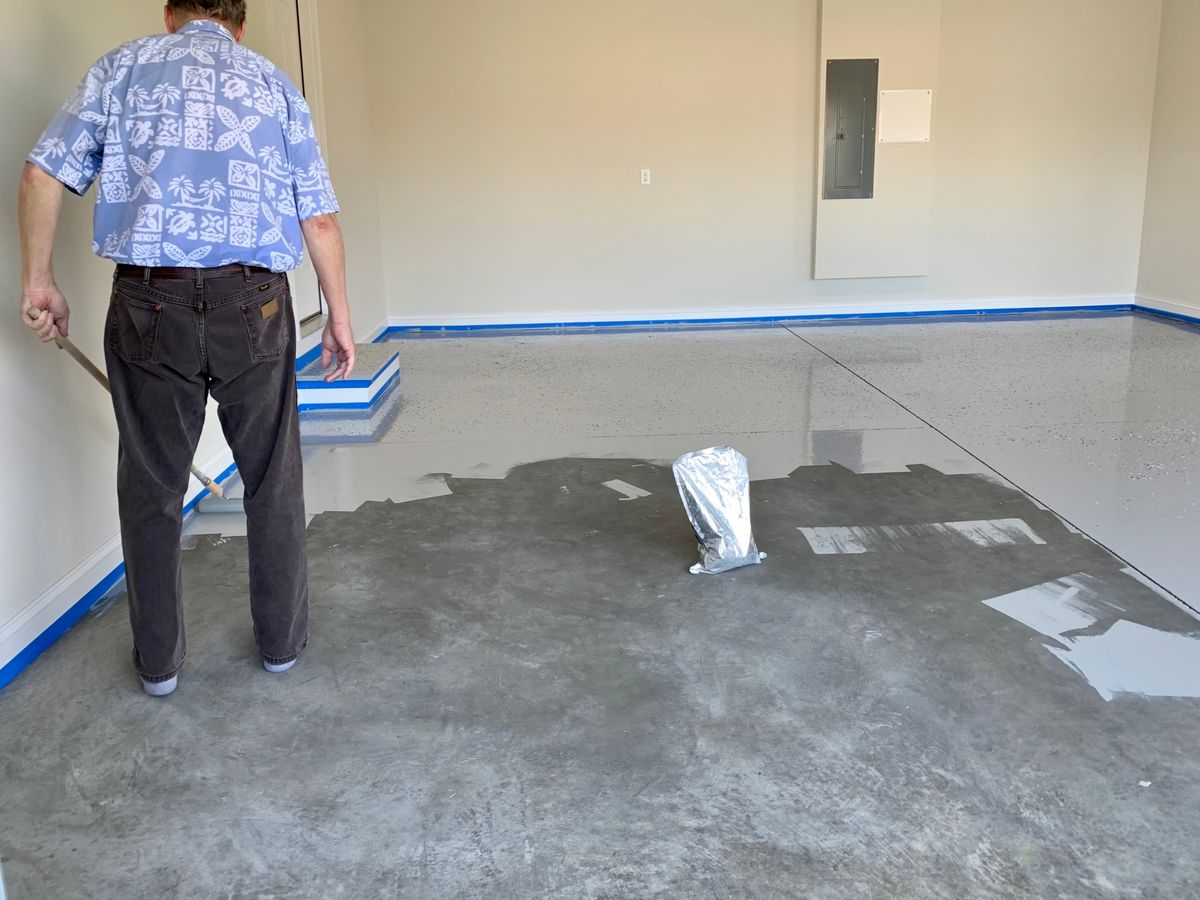
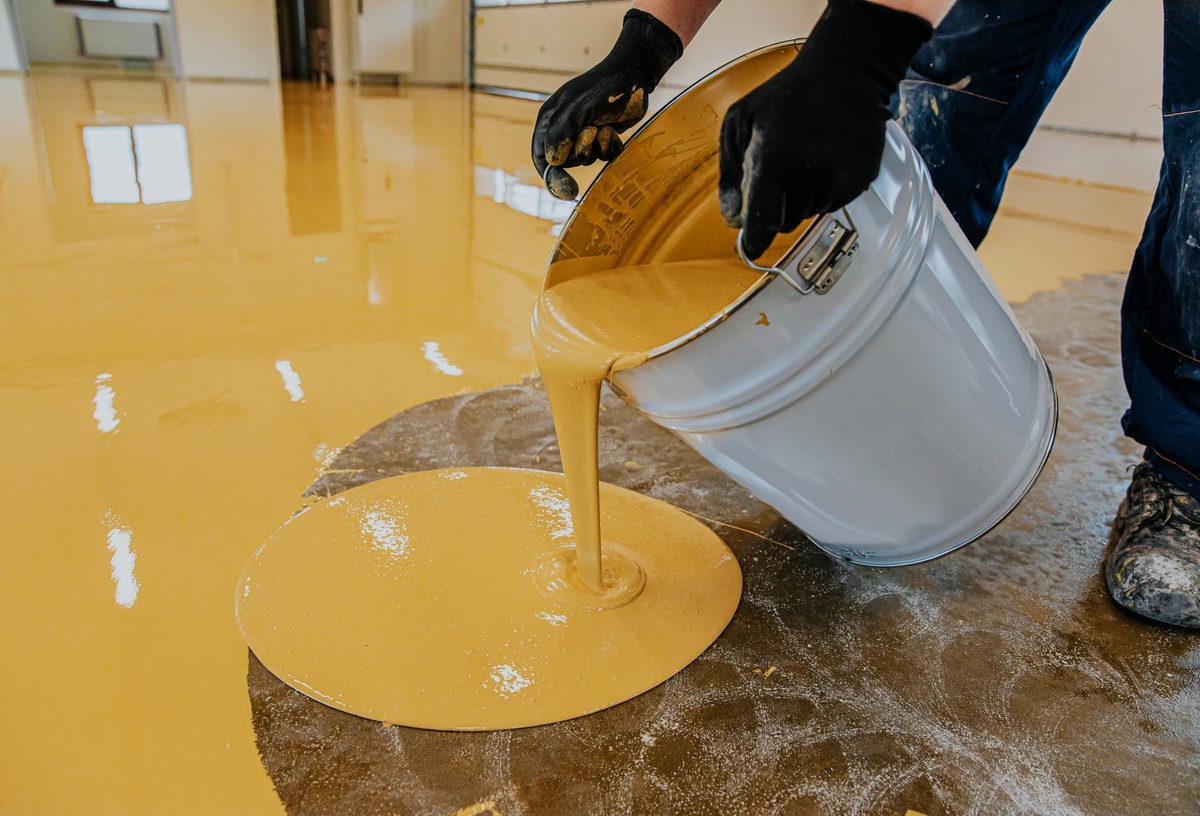
A typical project begins with reviewing drainage, sunlight exposure, slab condition, intended foot traffic, and finish preferences. The concrete is checked for cracks, loose material, old sealer, contamination, and moisture. Mechanical preparation or another approved method creates the surface required by the selected product. Repairs are completed where appropriate, followed by the specified primer and coating layers. Weather conditions must fall within product limits during application and cure, and the surface should remain protected until ready for use.
Why Professional Installation Matters
Outdoor concrete faces conditions that can undermine an unsuitable coating: UV exposure, thermal movement, water intrusion, weak surface paste, and trapped moisture. A coating that works indoors may discolor or debond outside. Professional selection and preparation help match the system to the site and avoid covering a slab with unresolved drainage or structural issues.
Choosing a Contractor in Avondale, Arizona
Ask whether the exact product is approved for exterior use and direct sunlight, how slip resistance will be addressed, and what weather conditions are required for installation. Discuss drainage, cracks, old sealer removal, and expected maintenance. Request a written scope that distinguishes coating work from concrete repair and drainage corrections. Confirm when the patio can be walked on and when furniture can be returned.
Drainage and seasonal scheduling
The slab should shed water as intended before a finish is installed. Coatings do not correct poor slope, standing water, or water entering from adjacent structures. In the Phoenix-area climate, direct sun can heat concrete quickly; schedule around the product's surface-temperature limits and avoid application when weather threatens the required cure window.
Exterior care expectations
Outdoor surfaces collect dust, leaves, grit, and organic debris. Routine sweeping and cleaning help maintain the finish. Avoid dragging heavy planters or furniture, and use pads where appropriate. Inspect areas that stay wet or receive repeated impacts.
Choosing between a coating, sealer, and overlay
A coating adds a film over the concrete; a penetrating sealer typically changes absorption with less visible film; an overlay adds a new cementitious or polymer-modified surface. Each has different preparation, appearance, thickness, and repair implications. If the concrete is badly scaled or uneven, a thin coating may not be the right way to correct it. Ask which system addresses the actual condition rather than selecting by color alone.
Traction around water and outdoor furniture
Patios near pools, outdoor kitchens, or garden hoses can become wet or greasy. A texture that feels comfortable under bare feet may differ from one suited to work shoes. Ask how the proposed finish performs when wet and how it will be cleaned. Furniture feet, grills, planters, and repeated dragging can also affect the surface, so use suitable pads and avoid moving heavy objects across the coating.
Weather windows and cure protection
Exterior products have limits for air temperature, slab temperature, humidity, dew, and rain exposure. A hot slab can shorten working time; unexpected rain or nighttime condensation may interfere with cure. The installer should verify the forecast and surface conditions rather than rely on a calendar date. Keep sprinklers off the area and protect it from foot traffic until the required cure is complete.
Repair expectations for outdoor slabs
Outdoor concrete naturally experiences movement and weathering. A coating may improve appearance but will not stop all cracking, prevent settlement, or fix a drainage defect. Existing control joints may need to remain visible or be treated according to the system design. Discuss how the finish can be repaired if a future crack or impact occurs.
Why Choose Epoxy Flooring Avondale AZ
Epoxy Flooring Avondale AZ can help you assess whether a coating, sealer, or another finish is a sensible match for your patio or concrete area. We encourage clear discussion of sun exposure, traction, surface condition, and maintenance before selecting a system. The right result should suit how the outdoor space is used, not just how it looks in a sample.